
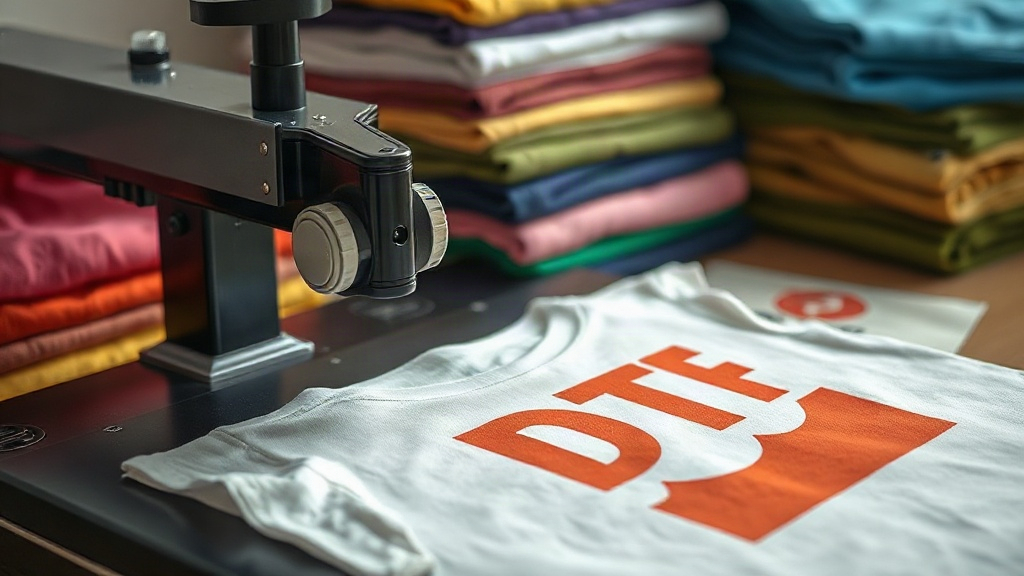
When you first discover DTF Transfers, it's easy to get excited about printing on anything. Cotton, polyester, blends, even canvas. But after a few failed attempts, you realize that fabric choice can make or break your project. The truth is, while DTF is incredibly versatile, not every fabric behaves the same. Some produce stunning, wash-resistant prints, while others lead to cracking, fading, or poor adhesion. This guide will walk you through the nuances of fabric compatibility, so you can choose the right material for your next DTF project and avoid costly mistakes.
What Makes DTF Transfers So Popular?
DTF, or direct-to-film, has exploded in popularity for good reason. Unlike DTG or vinyl, DTF doesn't require pre-treatment or special coatings on the fabric. The process involves printing your design onto a special film, coating it with adhesive powder, and then heat-pressing it onto the garment. The result is a soft, stretchy print that can handle intricate details and vibrant colors. But here's the catch: the adhesive powder needs something to bond with. The fiber composition, weave, and finish of your fabric all influence how well that bond holds up.
Fabric Types That Excel with DTF Transfers
Some fabrics are practically made for DTF. These materials consistently deliver excellent results with minimal fuss.
100% Cotton
Cotton is the gold standard for DTF. Its natural fibers have a slight texture that gives the adhesive something to grip. Prints on cotton feel soft, stretch with the fabric, and survive dozens of washes without cracking. Whether you're working with a basic t-shirt or a heavy canvas tote, cotton is a safe bet. Just avoid heavily brushed or fuzzy cotton, as the loose fibers can interfere with adhesion.
Cotton-Poly Blends
Blends, especially 50/50 cotton-poly, are also excellent. The cotton provides good adhesion, while the polyester adds durability and color retention. You might notice slightly different vibrancy compared to pure cotton, but with proper pressing, the results are nearly indistinguishable. Blends are a favorite for sportswear and uniforms because they combine comfort with resilience.
Polyester and Synthetic Fabrics
Polyester can be tricky, but with the right technique, DTF works beautifully. The key is temperature control. Polyester is heat-sensitive; too much heat and the fabric can scorch, shrink, or become stiff. Use a lower temperature (around 250-275°F) and a shorter press time. Also, polyester tends to have a smoother surface, so the adhesive may need a bit more pressure to penetrate. Once you dial in your settings, DTF on polyester yields vivid, long-lasting prints that rival dye-sublimation.
Fabrics That Require Extra Care
Some materials aren't impossible, but they demand adjustments and a bit of experimentation.
Nylon and Water-Resistant Fabrics
Nylon, along with coated or water-resistant fabrics, can be challenging. The smooth, non-porous surface gives the adhesive little to grab onto. To improve adhesion, you can lightly sand the area with fine-grit sandpaper or use a bonding agent. However, even then, the print may peel over time. For these fabrics, consider testing a small area first and always follow with a cold peel to avoid stretching the adhesive.
Stretch Fabrics (Spandex, Lycra)
Stretch fabrics are popular for activewear, but they can cause DTF prints to crack if the design doesn't stretch with the fabric. The solution is to use a transfer with a high elastomeric content and to press at a lower temperature with a longer dwell time. Also, when peeling, do it cold and slowly. This allows the adhesive to relax and conform to the fabric's stretch.
Textured Fabrics (Terry Cloth, Fleece)
Textured fabrics like terry cloth or fleece can be problematic because the adhesive can't reach the recessed areas. The print may look patchy or feel rough. To overcome this, use a higher pressure and a slightly longer press time. Sometimes, applying a second press after the first can help. But for very deep textures, DTF may not be the best choice; consider embroidery or patches instead.
How to Test Fabric Compatibility
Before committing to a full production run, always test on a swatch. Here's a simple procedure:
- Cut a small piece of the fabric you plan to use.
- Press a small DTF transfer according to the film manufacturer's recommendations.
- After cooling, perform a peel test: try to lift an edge with your fingernail.
- Wash the swatch in warm water with mild detergent, then air dry.
- Inspect for cracking, fading, or peeling.
This test takes only a few minutes but can save you from ruining an entire order.
Best Practices for Different Fabrics
Adjusting your technique based on fabric type is crucial. Here's a quick reference:
- Cotton: 325°F, medium pressure, 15 seconds, hot peel.
- Cotton-poly blend: 300°F, medium pressure, 15 seconds, warm peel.
- Polyester: 275°F, low pressure, 10 seconds, cold peel.
- Nylon: 250°F, low pressure, 10 seconds, cold peel (after surface prep).
- Stretch fabrics: 275°F, medium pressure, 20 seconds, cold peel.
Remember, these are starting points. Every heat press and film brand varies, so always follow the film's instructions and adjust as needed.
Common Mistakes to Avoid
Even with the right fabric, mistakes happen. Here are the most common pitfalls:
- Insufficient pressure: Without enough pressure, the adhesive won't bond properly. Make sure your press is adjusted correctly.
- Wrong peel temperature: Peeling too hot or too cold can cause the design to lift or stretch. Follow the recommended peel type.
- Ignoring fabric finish: Fabrics with silicone, waterproof coatings, or heavy softeners repel adhesive. Wash or prep them first.
- Overheating: This can scorch synthetic fabrics and cause the adhesive to become brittle.
Frequently Asked Questions
Can DTF transfers be applied to dark fabrics?
Absolutely. Unlike DTG, DTF uses a white ink layer as a base, so it works on any color, including black, navy, and dark red. The white layer ensures the colors pop and remain vibrant. Just be mindful that on very dark fabrics, the print may feel slightly thicker due to the white ink.
How durable are DTF transfers on polyester?
When applied correctly, DTF on polyester can last as long as the garment itself. The key is to use lower temperatures to avoid damaging the fabric and to ensure proper adhesion. With cold peel and gentle washing, you can expect the print to survive 50+ washes without significant fading or cracking.
What is the best way to wash garments with DTF transfers?
Turn the garment inside out and wash in cold water with mild detergent. Avoid bleach and fabric softeners, as they can degrade the adhesive. Tumble dry on low or hang dry. If ironing is necessary, do it on the reverse side with no steam.
Can I use DTF transfers on leather or faux leather?
Yes, but with caution. Leather and faux leather can be heat-sensitive, so use low temperatures (around 250°F) and test first. Also, the smooth surface may require extra pressure. For best results, use a transfer with a low-melt adhesive.
Why did my DTF transfer peel after washing?
Peeling usually indicates insufficient pressure, incorrect temperature, or inadequate press time. It can also happen if the fabric was not clean or had a coating. Re-press the transfer with a Teflon sheet for an additional 10 seconds, and ensure you're following the correct settings for that fabric type.