
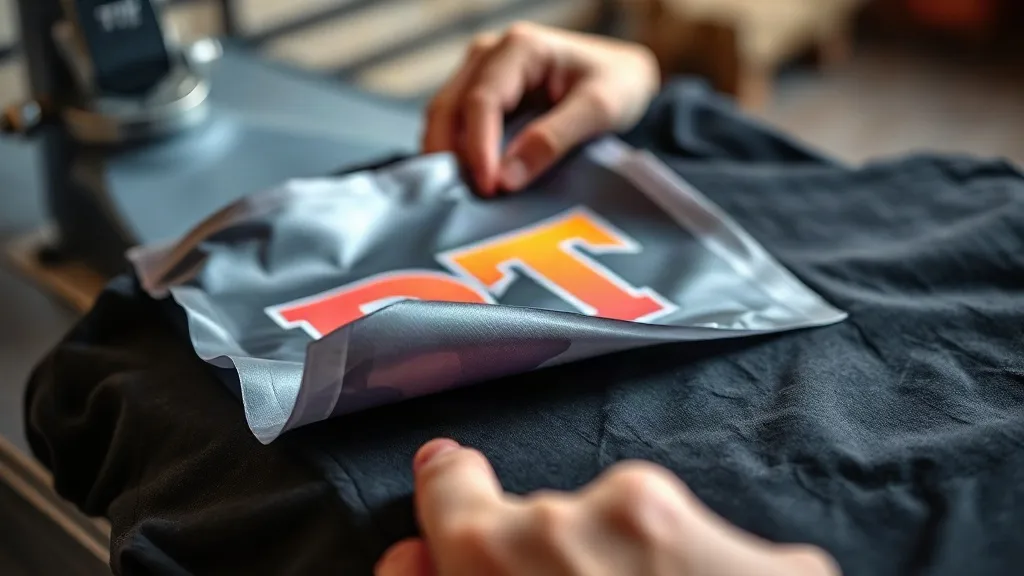
You've probably experienced the frustration: you peel the transfer off your garment, and instead of a vibrant, crisp design, you're left with a patchy, cracked, or dull image. DTF transfers are a fantastic way to decorate apparel, but they come with their own set of challenges. Whether you're a beginner or a seasoned pro, understanding how to troubleshoot common issues can save you time, money, and materials. In this guide, we'll dive into the most frequent problems with dtf transfers and provide you with actionable solutions to get perfect results every time.
Why DTF Transfers Sometimes Fail
Before we jump into specific fixes, it's important to understand the factors that contribute to transfer failures. DTF printing involves transferring a design printed on a special film onto fabric using heat and pressure. The quality of your print depends on several variables: the printer, the ink, the powder, the film, the fabric, and the heat press settings. Even a small deviation in any of these can cause issues. By identifying the root cause, you can apply the right solution.
Common Problems and Their Solutions
1. Poor Adhesion: Design Peeling or Lifting
One of the most common complaints is that the transfer doesn't stick properly, leading to peeling edges or the entire design lifting off after washing. This usually stems from insufficient heat, pressure, or time during application.
- Check your heat press settings: Ensure you're using the correct temperature for your fabric. Most DTF transfers require 300-325°F (150-160°C). Use a infrared thermometer to verify the actual platen temperature.
- Increase pressure: Medium to heavy pressure is needed for the adhesive to bond with the fibers. Make sure your press is locked down firmly.
- Extend dwell time: Press for 10-15 seconds. If the design is large or the fabric is thick, increase to 20 seconds.
- Pre-press the garment: Moisture or wrinkles can prevent proper adhesion. Pre-press for 5-7 seconds to remove moisture and create a smooth surface.
If you've tried these steps and still have issues, consider the quality of your dtf film and powder. Low-quality supplies can lead to inconsistent results. Investing in reputable brands can make a significant difference.
2. Color Fading or Dull Prints
Another frustrating problem is when the colors appear washed out or fade quickly after washing. This can be caused by improper ink curing, low-quality ink, or incorrect transfer settings.
- Ensure proper ink curing: Before applying the powder, make sure the ink is fully dry. If using a heat press to cure, follow the ink manufacturer's recommendations.
- Use high-quality DTF ink: Cheap inks may not have the same vibrancy or durability. Choose inks designed for DTF printing.
- Adjust transfer temperature: Too high heat can scorch the ink, causing dullness. Stick to the recommended temperature range.
- Wash inside out: To prolong the life of your prints, advise customers to wash garments inside out in cold water and avoid harsh detergents.
If you notice fading after just a few washes, it might be a sign that the ink wasn't properly cured or the powder didn't adhere correctly. Re-evaluate your process.
3. Wrinkling or Cracking of the Transfer
Wrinkles in the transfer film or cracks in the design after application can ruin the look of the garment. This often happens due to improper storage of the transfers or incorrect peeling.
- Store transfers properly: Keep unused transfers in a cool, dry place, away from direct sunlight. Avoid folding or creasing the film.
- Peel correctly: Always peel the film cold. Wait until the transfer is completely cool before peeling. Peeling hot can stretch the design and cause cracks.
- Use a cover sheet: When pressing, use a Teflon sheet or parchment paper to protect the design and ensure even pressure.
- Avoid over-stretching: When applying to stretchy fabrics, use a stretchable transfer or blend. Also, ensure the garment is flat and smooth before pressing.
If you're experiencing frequent wrinkling, check the quality of your film. Some films are more prone to wrinkling during printing or handling.
4. Ghosting or Double Image
Ghosting occurs when a faint image appears offset from the main design. This is typically caused by the transfer shifting during pressing or by pressing twice without repositioning.
- Secure the transfer: Use heat-resistant tape to hold the transfer in place before pressing.
- Press once: Avoid double-pressing the same area without moving the garment. If you need to press again, use a fresh cover sheet and reposition.
- Check your press: Ensure the platen is clean and free of residue that might cause the transfer to slide.
Ghosting can also happen if the transfer is reused, so always use a fresh transfer for each garment.
Preventing Issues Before They Happen
While troubleshooting is essential, prevention is even better. Here are some best practices to minimize problems with dtf transfers:
- Choose the right fabric: DTF works on a wide range of fabrics, but some (like nylon or treated fabrics) may require special handling. Always test on a swatch first.
- Maintain your equipment: Regularly clean your heat press and printer. Check for consistent pressure and temperature.
- Use quality supplies: Invest in good film, powder, and ink. Skimping on supplies often leads to more problems down the line.
- Train your team: Ensure everyone follows the same procedures for consistent results.
By following these guidelines, you'll reduce the likelihood of encountering issues and produce high-quality prints that delight your customers.
Where to Find Reliable DTF Transfers
If you're looking for high-quality DTF transfers, whether you're a small shop or a hobbyist, it's crucial to source from a reputable supplier. When searching for dtf transfers near me, consider online retailers that specialize in DTF products. They often offer a wide range of transfers, films, and supplies, along with expert advice. For those in the business, having a reliable partner can make all the difference in your print quality and customer satisfaction.
Remember, the key to successful DTF printing is attention to detail and continuous learning. Don't be discouraged by occasional setbacks; each problem is an opportunity to refine your process.
Frequently Asked Questions
How do I fix a DTF transfer that didn't stick after washing?
If the transfer peeled after washing, it's likely due to insufficient heat, pressure, or time during application. Try re-pressing the design with a cover sheet at the recommended temperature for 10-15 seconds with firm pressure. If it still doesn't adhere, the garment may have been washed before the transfer fully cured, or the fabric might not be compatible. Always pre-wash garments without fabric softener before applying DTF transfers.
Can I use DTF transfers on dark-colored shirts?
Absolutely! DTF transfers are ideal for dark fabrics because they include a white ink layer that makes colors pop. However, ensure you're using transfers designed for dark fabrics and follow the application instructions carefully. The white layer should be opaque enough to prevent the shirt color from showing through.
What's the best way to store unused DTF transfers?
Store unused transfers in a cool, dry place, away from direct sunlight and moisture. Keep them flat or roll them loosely to avoid creases. Avoid stacking heavy objects on top. Proper storage can extend the shelf life of your transfers for several months.
Why does my DTF transfer look cracked after peeling?
Cracking usually happens when the transfer is peeled while still hot or when the design is stretched during peeling. Always allow the transfer to cool completely before peeling. Additionally, if the design is applied to a highly stretchy fabric, use a transfer designed for stretch or consider a different decoration method.
How can I prevent my DTF prints from fading?
To prevent fading, ensure the ink is properly cured before applying the powder, use high-quality DTF ink, and follow the correct transfer temperature. Also, advise customers to wash garments inside out in cold water and avoid using bleach or harsh detergents. Proper care will significantly extend the life of the print.