
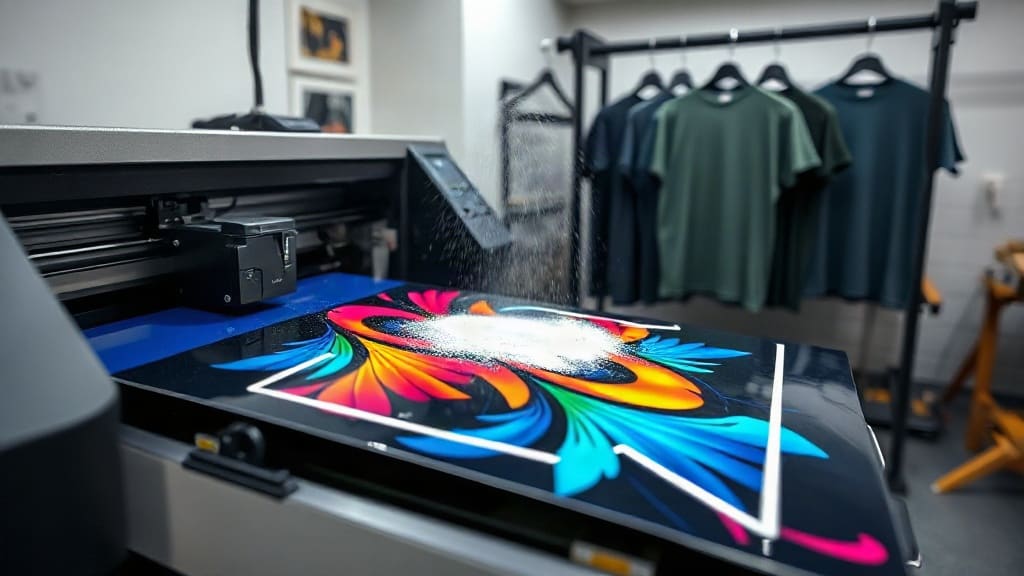
DTF printing has taken the custom apparel industry by storm, and for good reason. If you have been searching for a versatile, cost-effective way to produce vibrant transfers without the limitations of traditional methods, you have likely come across this acronym. In this comprehensive guide, we will unpack what DTF really is, how it works, and why it might just be the smartest addition to your printing arsenal in 2025.
What Is DTF Printing?
Direct-to-film, or DTF, is a printing method where a special film is printed with a water-based pigment ink, coated with adhesive powder, and then heat-pressed onto fabrics. Unlike direct-to-garment (DTG) which prints directly on the shirt, DTF creates a transfer that you can store and apply later. This opens up a world of possibilities for small shops and large manufacturers alike.
How DTF Works
The process might sound complex, but it is surprisingly simple. First, a design is printed onto a PET film using a dedicated DTF printer. While the ink is still wet, an adhesive powder is shaken over the print. The powder sticks only to the inked areas. Then, the film goes through a curing oven or heat press to melt the powder into a tacky layer. Once cooled, the transfer is ready. To apply it, you place the film on the garment, apply heat and pressure, and peel the film away. The result is a soft, durable print that can stretch without cracking.
Why DTF Has Become So Popular
The rise of DTF is not accidental. It solves many problems that printers have faced for years. First, it works on a wide range of fabrics, including cotton, polyester, blends, and even nylon. This versatility is a major advantage over DTG, which struggles with synthetic materials. Second, DTF transfers have a soft hand feel, meaning the print does not feel like a thick plastic sticker. Third, the ability to print in full color with high detail, including white ink underbase, makes it ideal for complex designs.
Another reason for its popularity is the lower startup cost compared to other methods. A basic DTF setup can be assembled for a fraction of the cost of a DTG printer. This has made it accessible to hobbyists and small business owners who want to offer custom apparel without breaking the bank.
DTF vs. Other Printing Methods
To truly appreciate DTF, you need to compare it with the alternatives. Each method has its strengths, but DTF offers a unique balance.
DTF vs. DTG
DTG is excellent for large orders on cotton, but it struggles with polyester and requires pre-treatment for many garments. DTF eliminates the need for pre-treatment and works on almost any fabric. Also, with DTF, you can print multiple designs at once and apply them later, which is perfect for on-demand production. DTG prints directly on the shirt, so you must have the garment in hand.
DTF vs. Screen Printing
Screen printing is unbeatable for massive quantities, but it involves creating screens, which is time-consuming and expensive for small runs. DTF shines in low to medium production runs, allowing you to print dozens of different designs without extra setup costs. The color vibrancy is comparable, and the durability is impressive.
DTF vs. Heat Transfer Vinyl (HTV)
HTV is great for simple, single-color designs, but it cannot handle complex, photorealistic artwork. DTF can reproduce gradients and fine details with ease. Plus, DTF prints are softer and more breathable than thick HTV vinyl.
Benefits of DTF for Your Business
If you run a custom apparel shop, DTF brings tangible benefits that can boost your bottom line.
- Versatility: Print on a vast array of products, from t-shirts and hoodies to tote bags and caps.
- Efficiency: Print transfers in bulk, then apply them as orders come in. This reduces waste and speeds up turnaround times.
- High Quality: Achieve vibrant colors, sharp details, and a soft finish that customers love.
- Low Maintenance: DTF printers are simpler to maintain than DTG printers, with fewer clogged printheads.
- Cost-Effective: Lower initial investment and lower per-print costs for small quantities.
How to Get Started with DTF
Entering the world of DTF is easier than you might think. But it pays to plan. First, you need a printer that can handle DTF inks. Many people convert an EPSON EcoTank or a similar model. However, dedicated DTF printers are now available from brands like EPSON and Brother, designed specifically for this process. These come with white ink circulation systems to prevent settling.
Choosing the Right Equipment
Your shopping list includes a printer, DTF film, powder, and a heat press. You can also invest in a powder shaker and curing oven for a more streamlined workflow, but a manual shaker and a heat press can work for beginners. Look for a printer with a CMYK plus white ink configuration. The white ink is crucial for printing on dark garments.
Step-by-Step Production Process
Once you have your equipment, the process is straightforward. Start by printing your design on the film. Ensure that you mirror the image if you are using a design with text. After printing, apply the adhesive powder generously, then shake off the excess. Cure the film at around 160 degrees Celsius for a few minutes. Finally, press the transfer onto your garment at about 160 degrees for 15-20 seconds. Peel the film while it is still hot or cold, depending on the film type. Test to see which gives the best result.
Tips for Perfect DTF Transfers
Even with the right equipment, small mistakes can ruin your prints. Here are some pro tips to get flawless results every time.
- Use high-quality DTF film from a trusted supplier. Cheap films can cause ink bleeding.
- Keep your printer well-maintained, especially the white ink channels. Shake the ink cartridges regularly to prevent settling.
- Adjust the powder amount based on the design. Too much powder can make the print stiff, too little can cause poor adhesion.
- Store your printed transfers in a cool, dry place, and avoid stacking them until they are fully cured.
- Always test on a scrap garment before a full production run.
Cost Analysis: Is DTF Worth It?
Let's talk numbers. A basic DTF setup can cost around $2,000 for a printer, film, powder, and heat press. In contrast, a DTG printer often costs $5,000 or more. The per-print cost for DTF is competitive, especially for small batches. You can expect to spend about $1.50 to $2.50 in materials for a standard t-shirt transfer, depending on the design size and ink coverage. When you sell a custom shirt for $25 or more, your margins are healthy.
Moreover, DTF allows you to print on demand, reducing inventory costs. You do not have to keep pre-printed shirts in stock. This is a huge advantage for businesses that offer custom designs or run small collections.
Common Mistakes to Avoid
Many beginners stumble when they start with DTF. Here are the most common pitfalls and how to avoid them.
- Using the wrong film type. Make sure you buy film that is compatible with your printer and powder.
- Not curing the powder properly. If the powder is not fully cured, it will not adhere to the fabric.
- Over-pressing. Too much heat or pressure can cause the design to crack or the film to melt.
- Ignoring the white ink layer. On dark fabrics, a solid white underbase is essential for color vibrancy.
Future Trends in DTF Printing
The DTF industry is evolving rapidly. We are seeing more automated systems that integrate printing, powdering, and curing into a single machine. There are also new films that offer better stretchability and softer hands. Innovations in ink formulations are reducing curing times and increasing color gamut. As sustainability becomes a priority, we can expect eco-friendly DTF inks and recyclable films to hit the market.
For businesses, the trend is towards hybrid models that combine DTF with other methods. For example, printing DTF transfers for small runs while using screen printing for bulk orders. This flexibility allows you to offer competitive pricing without compromising on quality.
Conclusion
DTF printing is not a passing fad. It is a reliable, cost-effective, and high-quality method that is here to stay. Whether you are a seasoned printer looking to expand your services or a newcomer wanting to start a custom apparel brand, DTF offers a low-risk entry point with excellent returns. By understanding the process, investing in the right equipment, and following best practices, you can create stunning products that delight your customers and grow your business. So why wait? Dive into the world of DTF and see how it can transform your printing operation.
Frequently Asked Questions
What fabrics are best for DTF transfers?
DTF works best on cotton and cotton-poly blends, but it also performs well on 100% polyester, nylon, and even leather. The key is the adhesive powder and pressing temperature. For high-polyester fabrics, you may need to lower the pressing temperature slightly to avoid melting the fabric. Always test on a sample piece to ensure the transfer adheres properly.
How durable are DTF prints?
DTF prints are extremely durable. They can withstand multiple washes without fading or cracking. The print becomes part of the fabric, so it stretches with the garment. In independent tests, DTF transfers have shown excellent resistance to washing and abrasion, often outperforming DTG prints. To maximize longevity, wash garments inside out in cold water and avoid ironing directly on the print.
Can I use DTF for small orders?
Absolutely. DTF is perfect for small orders because there are no setup costs like screen printing. You can print a single transfer or a hundred without any additional expense per design. This makes it ideal for custom orders, samples, and limited editions. Plus, you can store unused transfers for future orders, which is a great way to manage inventory.
What is the difference between DTF and sublimation?
Sublimation uses heat to turn solid dye into gas, which then bonds with polyester fibers. It only works on polyester or polymer-coated surfaces, and it cannot produce white ink. DTF, on the other hand, uses a white underbase, so it can print on dark and light fabrics, including cotton. DTF also produces a more opaque print with a softer hand. For full-color designs on natural fabrics, DTF is the superior choice.
How do I set up a DTF printer for the first time?
Setting up a DTF printer involves filling the ink tanks with the correct inks, especially white ink, which needs constant stirring. Then you must install the printhead and run a nozzle check. Next, load the film roll and adjust the platen gap. Finally, perform test prints to calibrate color and ensure proper ink flow. It is crucial to follow the manufacturer's instructions carefully. Many suppliers offer technical support, so do not hesitate to ask for help.