
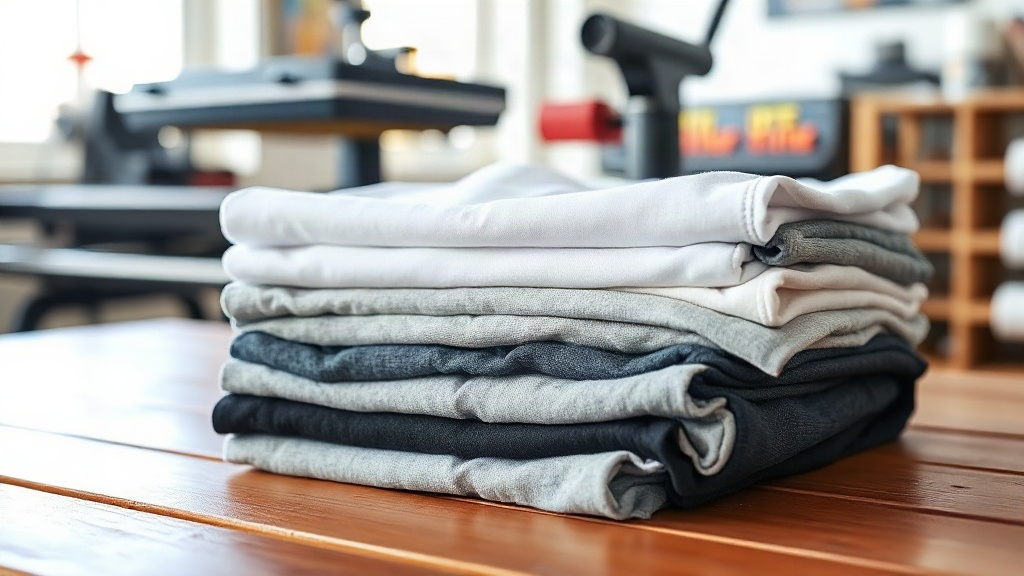
If you're into DTF printing, you've probably heard the term smart blanks tossed around. But what exactly are they, and why do they matter so much? In short, smart blanks are garments specifically engineered to work perfectly with DTF transfers. They have the right fabric composition, weave, and finish to ensure your prints look vibrant, feel soft, and last wash after wash. Without them, you risk cracking, fading, or peeling. In this guide, we'll dive deep into smart blanks, how they differ from regular blanks, and how to choose the best ones for your business. Whether you're a seasoned pro or just starting out, mastering smart blanks is key to delivering outstanding results.
What Are Smart Blanks?
Smart blanks are not just any t-shirt or hoodie. They are garments designed with DTF printing in mind. Manufacturers create them using specific cotton-poly blends, tight weaves, and special finishes that optimize ink adhesion and color vibrancy. Unlike traditional blanks, smart blanks undergo rigorous testing to ensure compatibility with DTF transfers. This means you get consistent results across different colors and sizes. Brands like shaka wear have embraced this concept, offering lines that cater specifically to DTF printers. When you use smart blanks, you're not just printing on fabric; you're printing on a canvas engineered for excellence.
Why Smart Blanks Matter for DTF Transfers
DTF transfers are gaining popularity for their versatility and durability. But even the best dtf transfers can fail on the wrong garment. Smart blanks solve this by providing an ideal surface. Here's why they matter:
- Superior adhesion: The fabric's texture and finish allow the transfer to bond securely, reducing peeling.
- Color vibrancy: Smart blanks are often lighter in color or have a neutral base, making colors pop.
- Wash durability: They withstand repeated washing without cracking or fading.
- Consistency: You get the same results batch after batch, which is crucial for bulk orders.
In short, smart blanks take the guesswork out of DTF printing. You can focus on creating stunning designs, knowing the garment will do its part.
Key Features to Look for in Smart Blanks
Not all blanks are created equal. When shopping for smart blanks, keep these features in mind:
Fabric Composition
The best smart blanks for DTF are typically 100% cotton or a cotton-poly blend (50/50 or 65/35). Cotton provides a natural feel and good ink absorption, while polyester adds durability and color retention. Avoid high-polyester fabrics (over 80%) as they can cause ink to sit on the surface, leading to cracking.
Weave and Texture
A tight, smooth weave is ideal. Rough or loose weaves can create uneven surfaces where transfers don't adhere properly. Look for combed ring-spun cotton, which is softer and smoother.
Color
Light colors like white, ash, and heather grey are best for DTF because they allow the transfer's colors to show accurately. Dark colors require a white underbase, which can make prints feel thicker. If you must use dark blanks, ensure they are specifically designed for DTF.
Pre-treatment
Some smart blanks come pre-treated for DTF, meaning they have a special coating that enhances adhesion. This can save you time and improve results.
Top Smart Blank Brands and Styles
Several brands have risen to the challenge of creating DTF-friendly blanks. Here are some standouts:
- Shaka Wear: Known for their heavyweight cotton tees, Shaka Wear offers blanks that are durable and take DTF transfers beautifully. Their hoodies and crewnecks are popular among streetwear brands.
- Bella+Canvas: Their Airlume combed and ring-spun cotton tees are soft and smooth, making them a favorite for DTF.
- Next Level: Offers a range of blends that work well with DTF, especially their sueded and triblend styles.
- Gildan: Affordable and widely available, Gildan's Hammer and Softstyle lines are decent for DTF, though they may require some testing.
When choosing a brand, consider your target market. For premium feel, go with Shaka Wear or Bella+Canvas. For budget-friendly options, Gildan is a solid choice.
How to Prepare Smart Blanks for DTF Printing
Even the best smart blanks need proper preparation. Follow these steps for optimal results:
- Pre-press the garment: This removes moisture and wrinkles, creating a smooth surface. Press for 5-10 seconds at 300°F.
- Position the transfer: Place your DTF transfer where you want it. Use heat tape to secure it.
- Press: Follow the transfer manufacturer's instructions. Typically, press at 325°F for 15-20 seconds with medium pressure.
- Peel: Wait for the transfer to cool completely before peeling (cold peel) or peel while hot (hot peel) depending on the transfer type.
- Post-press: For added durability, press again for 5-10 seconds with a protective sheet.
Always test on a sample before doing a full batch. This ensures your settings are dialed in.
Common Mistakes to Avoid with Smart Blanks
Even with smart blanks, mistakes can happen. Here are pitfalls to avoid:
- Using too much pressure: This can cause the transfer to spread or the fabric to scorch. Use medium pressure.
- Not pre-pressing: Skipping this step can lead to moisture trapped under the transfer, causing peeling.
- Using the wrong peel method: Always check if your transfer is hot peel or cold peel. Peeling at the wrong temperature can ruin the design.
- Ignoring fabric composition: As mentioned, high polyester content can be problematic. Stick to recommended blends.
- Washing too soon: Wait at least 24 hours before washing to allow the transfer to fully set.
By avoiding these mistakes, you'll get professional-looking results that last.
How Smart Blanks Elevate Your Brand
Your choice of blanks says a lot about your brand. Smart blanks offer a premium feel that customers notice. They hold their shape, resist pilling, and keep prints looking new. This translates to higher customer satisfaction and repeat business. Plus, when you use shaka wear or similar quality blanks, you can confidently charge more for your products. In a competitive market, quality sets you apart.
Frequently Asked Questions
What are smart blanks and why are they important for DTF printing?
Smart blanks are garments specifically designed to work well with DTF transfers. They have the right fabric composition, weave, and finish to ensure optimal adhesion, color vibrancy, and durability. Using them reduces the risk of common DTF issues like cracking and peeling.
Can I use any t-shirt for DTF transfers?
While you can use many t-shirts, not all are ideal. High-polyester fabrics or those with rough textures may not bond well with DTF transfers. Smart blanks are engineered for DTF, so they yield better results.
What is the best fabric blend for DTF printing?
100% cotton or a cotton-poly blend (50/50 or 65/35) works best. Cotton provides good ink absorption, while polyester adds durability. Avoid blends with more than 80% polyester.
How do I know if a blank is DTF-friendly?
Check the product description or manufacturer's guidelines. Many brands now label blanks as DTF-ready. You can also do a test press on a sample to see how it performs.
Do I need to pre-treat smart blanks before DTF printing?
Most smart blanks do not require pre-treatment, but some may benefit from it. Pre-treating can enhance adhesion on certain fabrics. Always follow the blank manufacturer's recommendations.
Final Thoughts
Smart blanks are a game-changer for DTF printing. They take the guesswork out of choosing garments and ensure your transfers look their best. By investing in quality blanks like those from shaka wear, you'll produce prints that withstand the test of time and delight your customers. Remember to test, prepare properly, and avoid common mistakes. With the right smart blanks and dtf transfers, your business can stand out in a crowded market. So next time you stock up, choose smart blanks and watch your quality soar.