
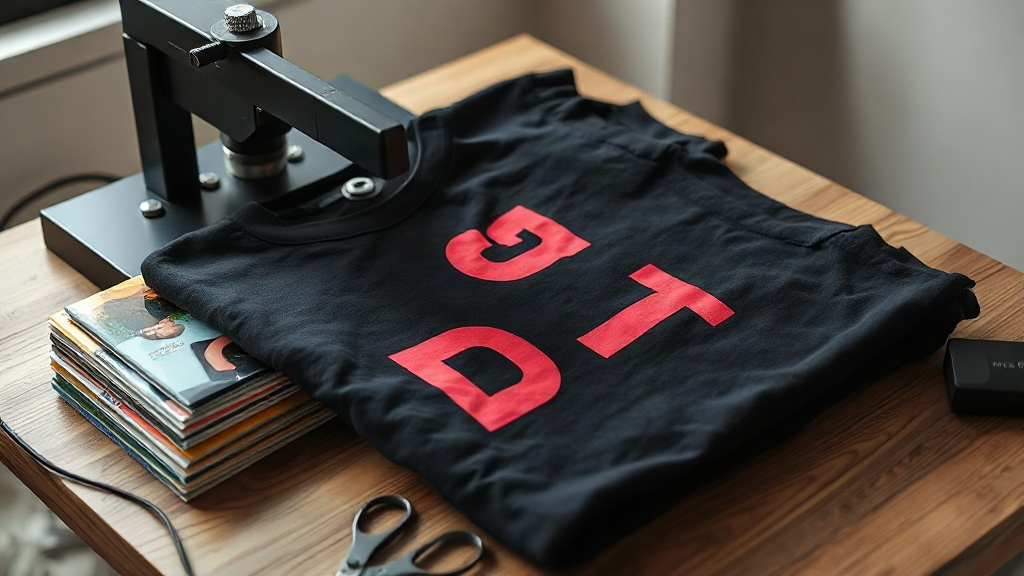
When you first dive into the world of custom apparel, the choices can feel overwhelming. You have your design ready, but the success of your final product hinges on two critical decisions: the transfer method and the blank garment. For many creators, the combination of DTF transfers with premium blanks like Shaka Wear and Smart Blanks has become a go-to solution. But why exactly do these pairings work so well, and how can you ensure your prints stand up to wear and washing? Drawing from countless hours in the studio and feedback from fellow printers, I'll walk you through the nuances of using DTF transfers on these specific blanks, sharing practical insights that go beyond the basics.
Why DTF Transfers Are a Game-Changer for Custom Apparel
DTF, or Direct-to-Film, transfers have revolutionized the way we approach garment decoration. Unlike traditional screen printing, DTF doesn't require separate screens for each color, making it incredibly efficient for small batches and complex designs. The process involves printing your artwork onto a special film, coating it with adhesive powder, and then heat-pressing it onto the fabric. The result is a soft, flexible print that can stretch with the garment without cracking. This flexibility is especially important when working with high-quality blanks that are designed for comfort and movement.
One of the biggest advantages of DTF is its versatility. It adheres well to a wide range of fabrics, including cotton, polyester, and blends. That means you're not limited to 100% cotton shirts; you can apply DTF transfers to performance wear, tri-blends, and more. For those of us who love experimenting with different textures and styles, this opens up a world of possibilities. Plus, the color vibrancy achievable with DTF is impressive, often rivaling or surpassing other decoration methods.
Shaka Wear: A Favorite Canvas for DTF Transfers
Shaka Wear has carved out a niche in the apparel industry with its focus on heavyweight, durable garments that appeal to streetwear brands and anyone seeking a premium feel. Their t-shirts, often made from 100% cotton, have a substantial hand and hold their shape well. When you apply DTF transfers to Shaka Wear blanks, the thick fabric provides a perfect substrate that minimizes the risk of print distortion during pressing. The smooth surface also allows for excellent detail reproduction, so even intricate designs come out crisp.
From my experience, Shaka Wear tees tend to have a slightly rougher texture compared to some other brands, which can actually help the transfer adhere better. However, it's crucial to pre-press the garment to remove moisture and wrinkles. I usually set my heat press to 325°F (160°C) with medium pressure for 10-15 seconds before applying the transfer. After the transfer is placed, I press for another 15-20 seconds, then peel the film warm. This method has consistently given me vibrant, long-lasting results on Shaka Wear.
Choosing the Right Shaka Wear Style for DTF
Not all Shaka Wear blanks are created equal. Their classic heavyweight tee is a staple, but they also offer ringspun cotton options that are softer. For DTF, both work well, but the heavier the fabric, the more pressure you can apply without worrying about the print sinking in too much. If you're aiming for a vintage, faded look, a lighter ringspun tee might be preferable. Experiment with a few styles to see which matches your design aesthetic.
Smart Blanks: Affordable Quality for DTF Printing
Smart Blanks is another name that frequently pops up in DTF communities. Known for their budget-friendly yet reliable garments, Smart Blanks offers a range of tees, hoodies, and tanks that cater to both beginners and seasoned printers. What sets them apart is their consistent sizing and color accuracy, which is vital when you're producing multiples of the same design. When you use DTF transfers on Smart Blanks, you'll notice that the fabric takes the ink well, resulting in bright, opaque colors.
I've found that Smart Blanks garments sometimes have a slight sheen, especially in darker colors. This can affect how the transfer looks, but a quick pre-press usually eliminates any issues. The key is to ensure the garment is completely flat and free of wrinkles. I also recommend using a Teflon sheet or parchment paper over the transfer to protect it from direct heat and prevent scorching. With the right technique, Smart Blanks can yield professional-grade results that rival more expensive alternatives.
Tips for Maximizing Durability on Smart Blanks
Durability is always a concern with any print, but DTF transfers on Smart Blanks can hold up remarkably well if you follow a few simple rules. First, always wash the garment inside out in cold water and tumble dry low. Avoid fabric softeners and bleach, as they can degrade the adhesive. Second, when pressing, make sure your pressure is even. Uneven pressure can lead to areas that peel prematurely. Finally, consider using a heat press with a digital timer and temperature control; consistency is your friend.
Step-by-Step Guide to Applying DTF Transfers on These Blanks
Whether you're working with Shaka Wear or Smart Blanks, the application process is similar. Here's a streamlined approach that I've refined over time:
- Pre-press the garment: Set your heat press to 325°F (160°C) and press for 5-10 seconds to remove moisture and wrinkles.
- Position the transfer: Place the DTF transfer onto the garment with the printed side up. Use heat-resistant tape if needed to keep it in place.
- Press: Apply medium to firm pressure for 15-20 seconds. If you're using a home iron, press firmly for 30 seconds, but a heat press is strongly recommended for professional results.
- Peel: Wait a few seconds for the transfer to cool slightly, then peel the film off in a smooth, consistent motion. For a matte finish, peel cold; for a glossier look, peel warm.
- Post-press: Cover the design with parchment paper and press for another 5-10 seconds to ensure the adhesive fully cures.
This method works wonders on both Shaka Wear and Smart Blanks, giving you a print that's soft to the touch and built to last.
Common Pitfalls and How to Avoid Them
Even with the best materials, things can go wrong. One common issue is the transfer not adhering properly, which often stems from insufficient pressure or temperature. Always test your settings on a scrap piece of fabric before committing to a full run. Another problem is color bleeding or fading after washing. This usually happens when the transfer isn't fully cured. Make sure your post-press step is not skipped. Additionally, some Shaka Wear and Smart Blanks garments come with a factory finish that can interfere with adhesion. Pre-washing the garment can help, but if you do, make sure it's completely dry before pressing.
Frequently Asked Questions
Can I use DTF transfers on 100% polyester Shaka Wear shirts?
Yes, DTF transfers work on polyester, but you'll need to adjust your temperature. Polyester can scorch at high heat, so lower your press to around 280°F (138°C) and press for a shorter time, about 10-12 seconds. Always test first.
How do I prevent the DTF transfer from peeling off Smart Blanks hoodies?
Peeling often occurs if the fabric isn't pre-pressed or if the pressure is too low. Ensure you pre-press the hoodie to remove wrinkles and moisture. Use firm pressure and make sure the transfer cools completely before peeling. Also, avoid washing for at least 24 hours after application.
What's the best way to store unused DTF transfers?
Store them in a cool, dry place away from direct sunlight. Keep them in a sealed bag or container to prevent dust and moisture from affecting the adhesive. Properly stored transfers can last for several months.
Do I need a special heat press for DTF transfers on Shaka Wear?
While a standard heat press works fine, a press with even pressure and accurate temperature control is ideal. Shaka Wear's heavyweight fabrics benefit from a press that can apply consistent pressure across the entire platen.
Can I stretch the garment after applying DTF transfers?
DTF transfers are designed to stretch with the fabric, so you can stretch the garment without cracking the print. However, excessive stretching may still cause some wear over time. Always handle with care.
Mastering DTF transfers on Shaka Wear and Smart Blanks is a journey of experimentation and fine-tuning. With the insights shared here, you're well-equipped to produce stunning, durable apparel that your customers will love. Remember, the key lies in understanding your materials and maintaining consistent technique. Happy printing!