
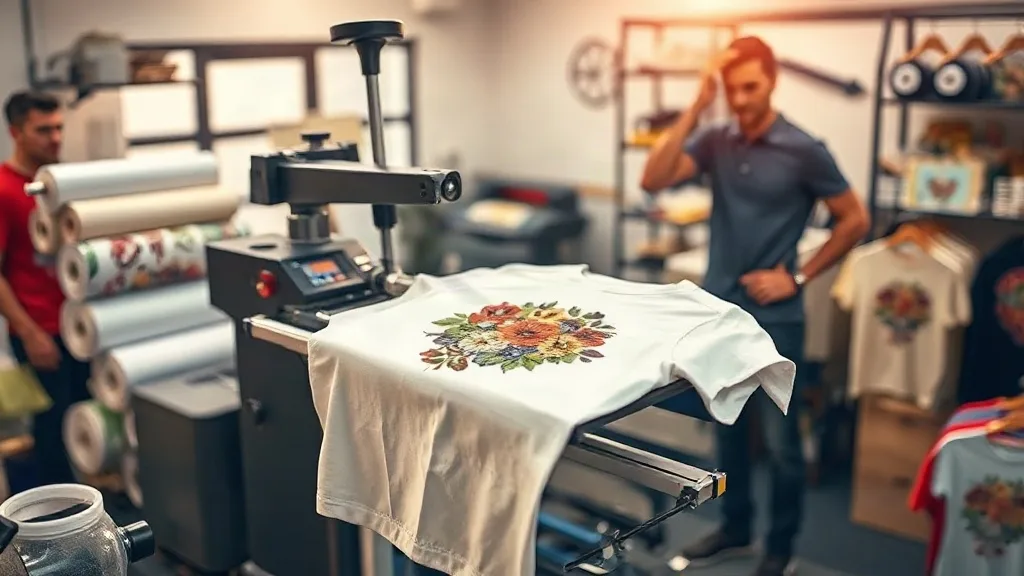
Imagine pressing a button and watching a vivid, full-color design materialize on a T-shirt in under a minute. That's the magic of dtf printing, a technology that has taken the custom apparel world by storm. Unlike traditional methods that require separate screens or cutting, DTF (Direct to Film) transfers let you print intricate designs with gradients, photographs, and fine lines onto a special film, then heat-press them onto almost any fabric. Whether you're a small business owner, a hobbyist, or a professional decorator, understanding DTF transfers can open up a world of creative possibilities.
In this guide, we'll walk you through everything you need to know about DTF transfers: how they work, why they're gaining popularity, and how to get started. We'll also share practical tips to help you achieve professional results every time.
What Are DTF Transfers?
DTF transfers are a type of heat-applied transfer that uses a special film and adhesive powder to bond ink to fabric. The process begins with a digital printer that prints your design onto a PET film using water-based inks. While the ink is still wet, a fine layer of hot-melt adhesive powder is applied, then the film is cured. The result is a flexible, stretchable transfer that can be stored and later applied to garments with a heat press.
Unlike DTG (Direct to Garment) printing, which requires pre-treatment and works best on cotton, DTF transfers can be applied to a wide range of materials, including polyester, blends, leather, and even nylon. They also eliminate the need for weeding or cutting, making them ideal for complex designs.
Why Choose DTF Transfers?
DTF transfers offer several advantages that make them a favorite among decorators:
- Vibrant colors and fine details: DTF printers can reproduce millions of colors and intricate details, perfect for photographic images and small text.
- Versatility: Works on cotton, polyester, blends, and even specialty fabrics like canvas and denim.
- Durability: When applied correctly, DTF transfers withstand repeated washing without cracking or fading.
- Cost-effective for small runs: No setup fees or minimums, making it great for one-off items or small batches.
- No weeding: Save time and labor compared to vinyl cutting.
These benefits have made DTF transfers a go-to solution for custom t-shirts, tote bags, hats, and more.
The DTF Transfer Process: Step by Step
Let's break down the process from design to finished product.
1. Design Preparation
Start with your artwork in a digital format. Ensure your design is high resolution (300 DPI recommended) and has a transparent background if needed. Remember that DTF prints white ink as a base, so you don't need to worry about light-colored garments. However, you should mirror your design horizontally because the film is pressed face-down onto the fabric.
2. Printing
Load the DTF film into your printer. The printer lays down a layer of white ink, followed by CMYK inks, and sometimes a white overcoat. This layering creates opacity and vibrancy. After printing, the film passes through a powder shaker that applies adhesive powder evenly. Excess powder is removed, and the film goes into a curing oven or under a heat source to melt the powder.
3. Curing
Curing is crucial for durability. The powder must reach a temperature of around 160°C (320°F) to melt and form a flexible bond. Many printers have built-in curing units, but you can also use a heat press or oven. Once cured, the transfer is ready to use or store.
4. Application
To apply, preheat your heat press to 150-160°C (300-320°F). Place the garment on the press, position the transfer face-down, and press for 10-15 seconds with medium pressure. Let it cool completely before peeling the film. This cold peel ensures the adhesive sets properly.
For best results, use a heat press rather than an iron, as consistent temperature and pressure are key.
DTF vs. Other Printing Methods
How does DTF stack up against DTG, screen printing, and vinyl?
- DTF vs. DTG: DTG requires pre-treatment and works best on 100% cotton. DTF works on more fabrics and often has better durability.
- DTF vs. Screen Printing: Screen printing is cost-effective for large orders but requires setup and separate screens per color. DTF excels for detailed, multi-color designs without setup.
- DTF vs. Vinyl: Vinyl is limited to simple shapes and requires weeding. DTF handles complex designs with ease.
While DTF has a higher cost per print for large runs, its flexibility and quality make it a strong contender for many projects.
Common Challenges and How to Overcome Them
Even with a great process, you might encounter issues. Here are some common problems and solutions:
- Peeling or cracking: Usually caused by insufficient pressure, temperature, or time. Adjust your press settings and ensure even pressure.
- Faded colors: Might be due to low-quality ink or improper curing. Use reputable supplies and follow curing guidelines.
- Adhesive residue: If the transfer feels sticky after peeling, it may need more curing time.
- Film jams: Ensure your printer is clean and use high-quality film.
With practice, you'll develop a feel for the right settings for your equipment.
Expert Tips for Perfect DTF Transfers
Want to elevate your DTF game? Try these tips:
- Test your settings: Every heat press and fabric behaves differently. Create a test swatch before full production.
- Store transfers properly: Keep them in a cool, dry place away from direct sunlight to prevent premature curing.
- Use a Teflon sheet: Protect your heat press and garment with a Teflon sheet or parchment paper.
- Pre-press garments: Remove moisture and wrinkles by pre-pressing for a few seconds.
- Choose the right film: Not all DTF films are equal. Look for films designed for your printer and ink type.
These small adjustments can make a big difference in output quality.
Frequently Asked Questions
How long do DTF transfers last?
With proper application and care, DTF transfers can last as long as the garment itself. Wash inside out in cold water and avoid bleach and high heat in the dryer.
Can I use DTF transfers on dark shirts?
Absolutely! DTF transfers include a white ink base, so they show up vividly on dark fabrics. No need for special pre-treatment.
Do I need a special printer for DTF?
Yes, you need a DTF printer that uses DTF inks and can handle PET film. However, you can also buy pre-printed DTF transfers from suppliers and apply them with a heat press.
What fabrics work best with DTF?
DTF works on almost any fabric, including cotton, polyester, blends, leather, and nylon. It's especially good for polyester and blends where DTG struggles.
Is DTF more expensive than other methods?
The cost per print varies. For small runs, DTF is often more affordable than screen printing. For large runs, screen printing may be cheaper. Consider your volume and design complexity.
DTF transfers are a game-changer for custom apparel, offering unmatched versatility and quality. Whether you're just starting or looking to expand your services, mastering DTF can set you apart. For more resources and supplies, visit dtf transfers.