
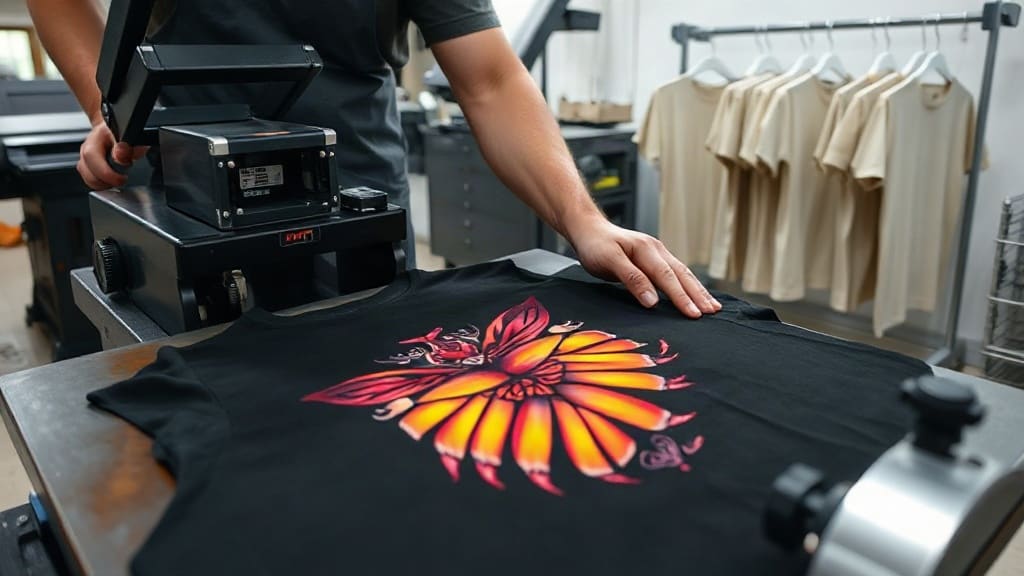
If you're looking for a versatile and cost-effective way to create custom apparel, DTF transfers might be exactly what you need. Unlike traditional screen printing or heat transfer vinyl, DTF (Direct to Film) printing offers incredible detail, vibrant colors, and works on a wide range of fabrics. In this guide, we'll dive deep into what DTF transfers are, how they work, their advantages, and how you can use them to take your custom printing projects to the next level.
What Are DTF Transfers?
DTF transfers are a method of printing designs onto a special film using a DTF printer and powder adhesive. The design is printed in reverse, then covered with adhesive powder, and cured. The result is a transfer that can be applied to fabric using a heat press. This process allows for high-detail, full-color prints that are soft to the touch and durable enough for repeated washing.
How Does DTF Printing Work?
The process involves several steps:
- Design: You create your artwork using design software, ensuring it is reversed (mirrored) for transfer.
- Printing: A DTF printer (often an Epson or other inkjet printer modified for DTF) prints the design onto a special PET film using water-based or pigment inks.
- Adhesive application: While the ink is still wet, a hot-melt adhesive powder is applied to the film. This powder sticks to the printed areas.
- Drying: The film is passed through a dryer or heat tunnel to melt the adhesive powder, creating a tacky layer.
- Transfer: The film is placed on the fabric (design side up), and heat and pressure are applied with a heat press. The adhesive bonds the ink to the fabric, and the film is peeled away.
Benefits of Using DTF Transfers
Why choose DTF over other methods? Here are some compelling reasons:
- Versatility: Works on cotton, polyester, blends, and even some hard surfaces like wood or glass.
- High detail and color: DTF can reproduce complex gradients, fine lines, and vibrant colors without adding extra thickness.
- Soft feel: The print lies flat on the fabric, offering a soft hand feel unlike heavy vinyl.
- Durability: When applied correctly, DTF prints can withstand many washes without cracking or fading.
- Cost-effective for small runs: No screens or setup fees, making it ideal for custom one-off items or small batches.
- Easy to apply: You only need a heat press, making it accessible for small businesses and hobbyists.
Essential Equipment for DTF Printing
To get started with DTF, you'll need the right tools:
- DTF printer: A modified inkjet printer with a continuous ink system. Popular models include the Epson L1800 or the P600.
- DTF inks: Specifically formulated pigment inks that bond with the adhesive.
- PET film: Special release film designed for DTF printing.
- Adhesive powder: Hot-melt powder that activates under heat.
- Heat press: A clamshell or swing-away press capable of reaching 160-180°C.
- Optional: A powder shaker or curing oven for larger production.
Step-by-Step Guide to Creating Your First DTF Transfer
Here's a practical walkthrough:
- Prepare your design: Use high-resolution images (300 DPI). Mirror your design horizontally in your software.
- Print on film: Load the PET film with the rough side up. Print your design with the DTF printer.
- Apply adhesive powder: While the ink is still wet, sprinkle the adhesive powder over the entire print. Shake off the excess.
- Dry: Place the film in a dryer or use a heat gun to melt the powder. The powder should become smooth and glassy.
- Press: Set your heat press to 160°C (320°F) for 15-20 seconds with medium pressure. Place the transfer on the fabric, cover with a Teflon sheet or parchment paper, and press.
- Peel: If using the hot peel method, peel the film immediately. Alternatively, wait for it to cool for a matte finish.
Tips for Perfect DTF Transfers
Achieving flawless results requires attention to detail:
- Use proper pressure: Too little pressure leads to poor adhesion; too much can cause ghosting or fabric damage.
- Test your settings: Different fabrics and films may require adjustments. Always test on scrap material.
- Flash dry the adhesive: If your powder isn't fully cured, the transfer may not stick well.
- Keep your printer clean: Clogged heads can ruin prints, so run regular cleaning cycles.
- Store materials properly: Keep film and powder in a dry, cool place to prevent moisture issues.
Common Problems and How to Fix Them
Even experienced printers face issues. Here are solutions:
- Poor adhesion: Increase press temperature or time, ensure the powder is fully cured, and check that the fabric is clean.
- Fading or cracking: Use high-quality inks and ensure proper curing. Also, avoid over-stretching the fabric.
- Ghosting: Wait for the transfer to cool before peeling, or reduce pressure.
- Ink bleeding: Make sure the film is completely dry before applying powder.
Creative Uses for DTF Transfers
DTF isn't just for t-shirts. Explore these applications:
- Workwear: Durable logos on uniforms and safety vests.
- Sportswear: Breathable and stretchable prints for activewear.
- Kids' clothing: Soft prints that won't irritate sensitive skin.
- Bags and accessories: Add personalized designs to tote bags, caps, and shoes.
- Short runs and samples: Perfect for prototyping or producing limited editions.
Frequently Asked Questions
Can I use DTF transfers on dark fabrics?
Yes, DTF transfers are excellent for dark fabrics. The adhesive layer creates a barrier that prevents the fabric color from showing through, so your design appears vibrant. For best results, use an opaque white underbase if your design requires it.
How many times can I wash a DTF printed garment?
With proper application and care, DTF prints can last over 50 washes. Always wash inside out in cold water and avoid harsh detergents or bleach. Tumble drying on low or air drying will extend the life of the print.
Do DTF transfers require special care?
While DTF prints are durable, they benefit from gentle care. Turn the garment inside out, wash in cold water, and avoid ironing directly on the design. If you need to iron, use a protective sheet.
Can I use a regular inkjet printer for DTF?
No, DTF requires a printer with a pigment ink system and the ability to handle PET film. Regular printers typically use dye-based inks that aren't compatible with the adhesive powder. Modifying a printer for DTF is possible but requires careful setup and maintenance.
Is DTF transfer cost-effective for small businesses?
Yes, DTF is highly cost-effective for small batches because there are no setup fees or minimum order quantities. You can produce one-off custom designs profitably, which is ideal for personalized gifts or niche markets.
Final Thoughts
DTF transfers open up a world of possibilities for custom apparel printing. With the right equipment and a bit of practice, you can create professional-grade prints that are vibrant, durable, and soft. Whether you're a hobbyist or a growing business, mastering DTF technology will give you a competitive edge in the custom printing industry. So why not give it a try? Your next masterpiece is just a press away.