
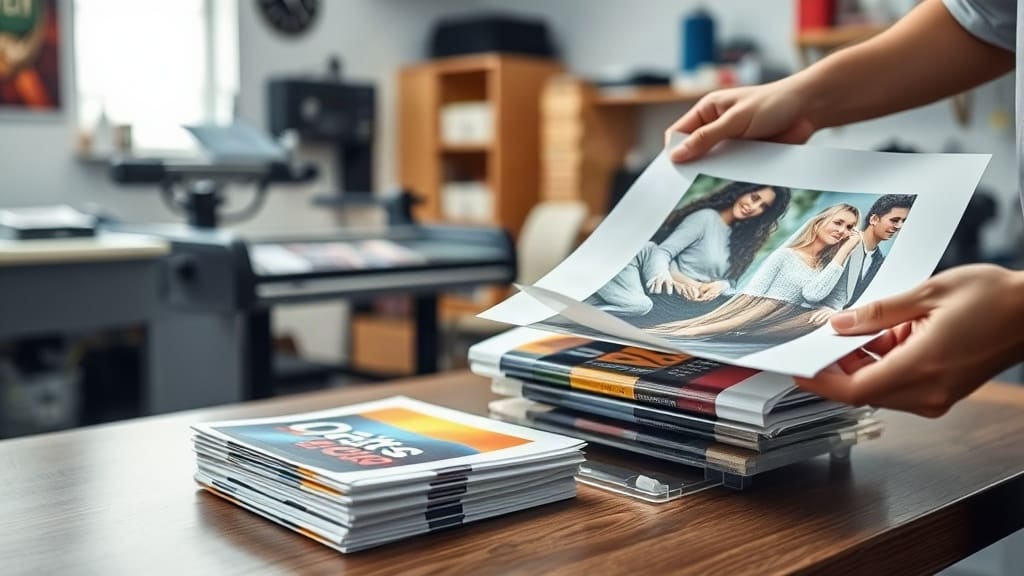
If you've been searching for DTF transfers near me, you probably know how convenient it is to work with a local provider. Whether you're a small business owner, a hobbyist, or someone who wants custom t-shirts for an event, finding a nearby shop means faster turnaround, the ability to see samples in person, and easier communication. But not all DTF transfer businesses are created equal. In this guide, I'll walk you through what to look for, questions to ask, and how to get the best results from your local DTF printer.
What Are DTF Transfers and Why Do People Search Locally?
DTF (Direct to Film) transfers are printed on a special film and then heat-pressed onto fabric. They’ve become popular because they work on a wide range of materials, including cotton, polyester, and blends, without needing to weed vinyl or use screen printing setups. Many people prefer ordering from a local shop because they can physically inspect the print quality, feel the texture, and sometimes even get same-day service.
But “local” doesn’t automatically mean “good.” You need to evaluate each printer’s capabilities, quality control, and customer service. In the next sections, I’ll share practical tips based on my own experience and what industry insiders look for.
How to Find DTF Transfer Providers in Your Area
The most obvious way is to search online, but there are several other methods that can yield great results.
Start with a Simple Online Search
Type “DTF transfers near me” into Google and you’ll get a list of nearby shops. But don’t stop at the first few results. Look at their websites, check if they have a physical address, and read customer reviews on platforms like Google Maps, Yelp, and even Facebook. A shop that’s been around for a while with consistent positive feedback is usually a safe bet.
Ask Local Print and Apparel Businesses
If you know a local print shop that doesn’t offer DTF, ask them for recommendations. They often collaborate with specialists or have colleagues who do. Also, local embroidery shops or sportswear stores might have contacts in the DTF world.
Check Social Media and Community Groups
Join local business groups or community pages on Facebook, Nextdoor, or LinkedIn. Search for “DTF transfers” in those groups and see which businesses get mentioned. Sometimes you’ll find small home-based operators who are just as professional as larger companies but offer more personalized service.
Visit a Trade Show or Local Vendor Market
If you live near a city that hosts small business expos or craft fairs, you might meet DTF vendors there. They often showcase their work and are happy to talk about their process. This is also a chance to see and feel the quality firsthand.
What to Look for in a Quality DTF Transfer Provider
Once you have a few candidates, it’s time to evaluate them. Here are the key factors I consider:
- Print Quality: Look for vibrant colors, sharp details, and smooth edges. A slight roughness or cracking is normal for many transfer types, but it should not be excessive.
- Adhesive and Powder Quality: The adhesive powder should be evenly applied. If you see lumps or missing spots, it could affect washing durability.
- White Ink Opacity: For dark garments, the white underbase must be opaque. If it’s too thin, the fabric will show through.
- Film and Cutting: The film should be cleanly cut, without jagged edges or unprinted areas.
- Customer Service: They should answer your questions promptly and clearly. If they’re vague about methods or pricing, that’s a red flag.
Questions to Ask Before Placing an Order
Don’t be afraid to ask technical questions. A reputable provider will welcome them.
- What type of printer and film do you use? (Some printers are more reliable for fine details.)
- Do you offer a sample or proof before bulk order?
- What is your minimum order quantity?
- How do you handle color matching? Do you offer Pantone matching?
- What are your turnaround times?
- Do you provide a wash test guarantee?
- What is your pricing structure? Are there setup fees?
Comparing Prices: Is “Cheap” Better?
Everyone loves a deal, but when it comes to DTF transfers, low prices often mean lower quality materials or rushed production. I’ve seen shops that charge $2 per transfer but the prints fade after a few washes. In contrast, a slightly more expensive provider might use premium films and inks that last for years. My advice: don’t make price the sole decision factor. Consider the value: quality, reliability, and support.
To compare fairly, ask for quotes from at least three providers. Provide the same design, size, and quantity. Then evaluate not just the total cost but also what’s included (e.g., free color matching, delivery).
What to Expect in Terms of Turnaround and Delivery
Local suppliers often have faster turnaround than online-only shops because they don’t have to ship far. Standard turnaround is usually 2-5 business days, but many offer rush services for an extra fee. If you need a large batch for an event, plan ahead. During peak seasons (like before summer or Christmas), local shops might be busier than usual.
Common Mistakes to Avoid When Ordering DTF Transfers
Even with a great local provider, you can make mistakes that ruin your project. Here are some pitfalls I’ve encountered:
- Not Providing High-Resolution Files: Your design should be at least 300 DPI at the final print size. Blurry logos are the number one issue.
- Ignoring Garment Requirements: Some fabrics don’t work well with DTF. Always ask your provider for recommended materials.
- Forgetting to Specify or Ask About Size: If you’re not sure, order a sample first.
- Skipping the Wash Test: Always test a sample on a garment you plan to use. Wash it a few times to see how it holds up.
- Assuming All White Inks Are the Same: Some inks are more flexible than others, preventing cracks on stretchy fabrics.
How to Prepare Your Artwork for DTF Printing
Most shops accept common file formats like PNG, JPEG, PDF, or AI. For best results:
- Use a transparent background for PNG files.
- Convert text to outlines if you're sending vector files.
- Do not embed fonts if you're unsure.
- Flatten your image if it has layers.
- If your design has fine lines, make sure they are at least 1 point thick to avoid losing detail.
Real-Life Example: A Local Event T-Shirt Order
Last year, I organized a charity run and needed 150 custom t-shirts. I searched for “DTF transfers near me” and found a shop 10 miles away. I visited them with my design, and they printed a sample within an hour. The quality was excellent. Although their price was slightly higher than an online competitor, the ability to see the sample and pick up the order in person saved me time and shipping costs. Plus, when I had a last-minute change, they accommodated it without hassle.
Frequently Asked Questions
Can I use DTF transfers on any fabric?
DTF transfers work best on cotton, polyester, and blends. They can also be applied to nylon and some other synthetics, but results may vary. Always test a small area first, especially for fabrics with a slippery surface or low heat tolerance.
How long do DTF transfers last?
With proper care, DTF transfers can last for many washes. The durability depends on the quality of materials and the pressing conditions. High-quality transfers should not crack or fade significantly for at least 50 washes if washed inside out and not over-dried.
Do I need to buy a heat press to use DTF transfers?
Yes, you’ll need a heat press for best results. A household iron might work, but it’s hard to get consistent pressure and temperature. If you don’t have a heat press, many local print shops offer pressing services for a small fee.
Can I order DTF transfers online from a local shop?
Yes, many local shops have websites where you can upload your design and order remotely. They might offer local pickup or delivery. If you’re ordering online from a local provider, still ask about their physical location so you can visit if needed.
What is the minimum quantity for DTF transfers?
This varies by shop. Some have no minimum, while others require at least 10 or 20 pieces. For small orders, you might pay a bit more per transfer. It’s always best to ask upfront.
Final Thoughts on Finding the Right Local Provider
Finding a reliable DTF transfer provider near you doesn’t have to be a gamble. Start with a clear list of your needs, do thorough research, and don’t hesitate to ask questions. A good local shop will be transparent about their process and happy to help you achieve the best results for your project. Remember, the goal is not just to get a transfer, but to get a transfer that looks professional and lasts. So take your time, compare your options, and make an informed choice. Your customers (or your own wardrobe) will thank you.