
If you are searching for DTF (Direct to Film) printing solutions, you have probably noticed how quickly this technology has transformed the custom apparel industry. Unlike traditional screen printing or heat transfer vinyl, DTF offers vibrant colors, durability, and flexibility across various fabrics. However, finding a reliable provider can be challenging, especially when you type "DTF transfers near me" into a search engine and get overwhelmed with options. This guide will help you understand what DTF transfers are, why they are so popular, and how to evaluate local printers to ensure you receive high-quality transfers that meet your expectations.
Understanding DTF Transfers
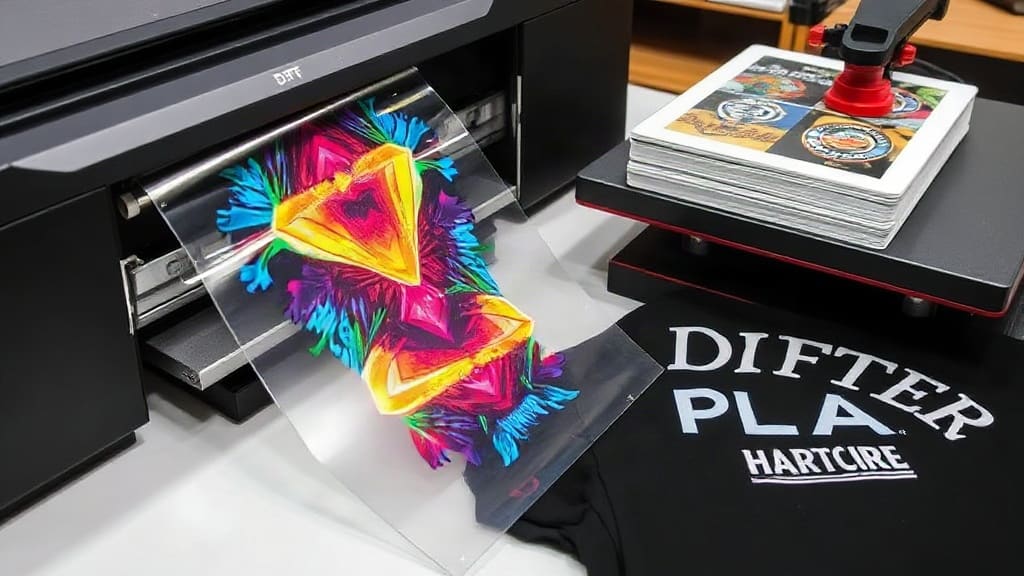
DTF printing involves printing a design onto a special film, applying adhesive powder, and then curing it. The resulting transfer is then heat pressed onto fabric. This process is suitable for both light and dark garments, and it does not require weeding or complex setup like vinyl. One of the reasons DTF has become a favorite among small business owners and hobbyists is its ability to produce detailed, full-color images with a soft hand feel.
When you look for DTF transfers, you are essentially looking for a supplier who prints your designs onto these films. The quality of the final product depends on several factors, including the quality of the film, the type of ink used, the adhesive powder, and the precision of the printing and curing process. A good provider will use premium materials and maintain their equipment to deliver consistent results.
Why Search for DTF Transfers Near Me?
There are several reasons why you might prefer a local provider. For one, you can inspect the quality of their work in person. You can also avoid shipping delays and costs, which is especially important if you have tight deadlines. Additionally, supporting a local business often means better customer service and easier communication. However, being "near" does not automatically guarantee quality. You still need to do your due diligence to find the best option in your area.
How to Find a Reliable DTF Transfer Provider
Finding the right provider involves more than just googling the phrase. Here are some steps you can take to ensure you choose wisely.
1. Ask for Samples
Before committing to a large order, request samples. A reputable provider will be happy to send you a few test transfers. When you receive them, examine the print quality, color saturation, and how well they adhere to different fabrics. Also, perform a wash test to check durability. This will give you a clear idea of what to expect.
2. Check Their Equipment and Materials
When you visit a shop or talk to a representative, ask about their equipment and materials. High-quality DTF printers use specialized inks and films that are compatible. Ask about their adhesive powder and curing temperature. A professional will be transparent about these details.
3. Look at Their Portfolio
Ask to see examples of their previous work. A portfolio can show you the range of designs they have handled and the quality of their prints. Look for clarity in fine details and consistency in color. If they have worked with clients on similar projects, that is a good sign.
4. Read Reviews and Seek Recommendations
Online reviews can provide valuable insights, but also ask around in local business groups or forums. Other business owners who use DTF transfers might have firsthand recommendations. Personal referrals are often more trustworthy than anonymous online reviews.
5. Compare Pricing and Turnaround Time
While price should not be the only factor, it is important to get quotes from different providers. Compare their pricing with the quality they offer. Also, ask about their turnaround time. A provider that promises extremely fast delivery might compromise on quality, so find a balance that works for you.
What to Look for in DTF Transfer Quality
Quality can vary significantly from one provider to another. Here are some key indicators of a high-quality DTF transfer:
- Vibrant and accurate colors: The colors should match your digital design closely, with good opacity on dark fabrics.
- Crisp details: Small text and intricate lines should be sharp and clear, without bleeding or blurring.
- Smooth finish: The transfer should not have a thick, plasticky feel. It should be soft and flexible on the garment.
- Excellent adhesion: After pressing, the design should not peel or crack easily, even after multiple washes.
- Edge quality: The edges of the design should be clean, without rough or jagged borders.
By paying attention to these aspects, you can assess whether a provider meets your standards.
Common Mistakes to Avoid When Choosing a Provider
Many people make avoidable mistakes when selecting a DTF transfer service. Here are some pitfalls to steer clear of:
Ignoring the Material of Your Garment
DTF transfers work well on cotton, polyester, and blends, but the pressing temperature and time may vary. A knowledgeable provider will advise you on the best settings for your specific fabric. If they do not ask about your garment type, they might not be experienced enough.
Overlooking the Importance of a Test Print
Always insist on a test print before the full run. This is your opportunity to catch any issues early. A provider who skips this step or rushes it may not care about the final outcome.
Not Checking the Resolution of Your Artwork
Low-resolution images will result in blurry transfers. Ensure your design files are high-resolution (at least 300 DPI) and in the correct format (PNG, AI, or PDF). If you are unsure, a good provider will help you prepare your files.
Assuming All DTF Transfers Are the Same
Just because two providers offer DTF does not mean their products are equal. Differences in materials and processes lead to noticeable variations in quality and durability. Do not base your decision solely on price.
The Benefits of Choosing a Local DTF Transfer Shop
While online DTF services are convenient, there are distinct advantages to working with a local provider. You can build a relationship, get faster turnaround, and have the ability to physically inspect your transfers before they are shipped. Also, if something goes wrong, you can visit the shop to resolve the issue in person. This level of accountability is invaluable.
Moreover, local providers often offer additional services like design assistance or custom color matching. They may also provide advice on how to improve your designs for optimal printing. This collaborative approach can elevate your product quality.
How to Prepare Your Artwork for DTF Transfers
To get the best results from your chosen provider, you need to prepare your artwork correctly. Here are some tips:
- Use vector graphics whenever possible: Vector files (like AI or EPS) are scalable without losing quality, making them ideal for printing.
- Set the correct color mode: Always use CMYK color mode, as DTF printers use CMYK inks. RGB colors might not match exactly.
- Include white underbase: For designs on dark garments, a white underbase is necessary. Your provider will handle this, but you should inform them if your design is for dark fabric.
- Keep a transparent background: Save your file with a transparent background unless you want a white border.
- Maintain high resolution: For raster images, ensure they are at least 300 DPI to avoid pixelation.
Following these guidelines will help the printer reproduce your design faithfully.
Cost Considerations for DTF Transfers
The cost of DTF transfers varies based on design complexity, order quantity, and the provider's overheads. Generally, you will pay a setup fee (for the film and powder used in the transfer) plus a per-transfer price. Larger orders often reduce the unit cost. When comparing prices, ask for a detailed quote that includes all charges: printing, shipping (if applicable), and any taxes. Be wary of unusually low prices, as they might indicate lower quality materials.
One way to save money is to optimize your designs. Simple designs with fewer colors are cheaper to produce. Additionally, ordering in bulk can significantly lower the cost per transfer. If you are planning a large project, negotiate with the provider for a better rate.
DTF Transfers vs. Other Methods
Understanding how DTF compares to other printing methods can help you decide if it is the right choice for your project. Here is a quick comparison:
DTF vs. Heat Transfer Vinyl (HTV)
HTV requires weeding and is not suitable for detailed multicolor designs. DTF, on the other hand, is easier to use and provides more vibrant results. However, HTV might be more cost-effective for simple, single-color designs.
DTF vs. Screen Printing
Screen printing is excellent for large orders of simple designs, but it has a high setup cost and is not practical for small quantities or intricate details. DTF is more flexible and can handle short runs economically.
DTF vs. Direct-to-Garment (DTG)
DTG prints directly onto the garment and has a soft hand feel, but it is not as effective on dark fabrics without a pretreatment. DTF works on any color and can be applied to various materials, making it more versatile.
By understanding these differences, you can determine if DTF is the right method for your needs.
Frequently Asked Questions (FAQ)
What does DTF stand for?
DTF stands for Direct to Film. It is a printing method where a design is printed onto a special film, then transferred to fabric using a heat press and adhesive powder.
How long do DTF transfers last?
When applied correctly and cared for properly, DTF transfers can last for many washes without fading or cracking. The durability depends on the quality of the materials and the application process.
Can I use DTF transfers on any fabric?
Yes, DTF transfers work on a wide range of fabrics, including cotton, polyester, nylon, and blends. They are particularly effective on dark and synthetic materials where other methods may struggle.
Do I need a heat press to apply DTF transfers?
Yes, a heat press is essential for applying DTF transfers. A home iron is not sufficient because it cannot provide uniform pressure and temperature. The recommended temperature and pressure vary by transfer and fabric, so follow the provider's instructions.
What is the minimum order quantity for DTF transfers?
Many DTF providers accept small orders, even as low as one transfer. However, larger quantities often reduce the per-unit cost. If you are just starting out, you can order a few samples to test the quality.
Final Thoughts
Finding the right DTF transfers provider requires careful research and testing. By following the steps outlined in this guide, you can locate a local expert who can deliver high-quality transfers that meet your needs. Remember to prioritize quality over price, ask for samples, and prepare your artwork properly. With the right partner, DTF printing can be a game-changer for your apparel business. So start your search today and elevate your custom products to the next level.