
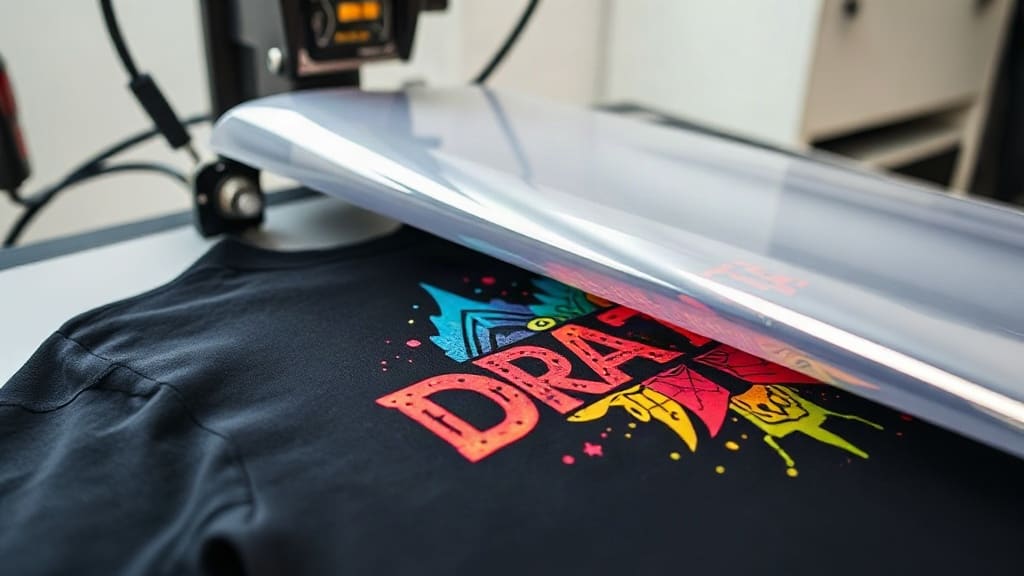
When you need custom apparel or want to start a print-on-demand business, one of the first things you search is "DTF" or "DTF transfers" to find a local provider. The convenience of having a nearby shop that can produce high-quality transfers is undeniable. But with so many options, how do you separate the experts from the amateurs? In this guide, I'll share what I've learned from years of working with DTF technology and what you should look for when you search for "dtf transfers near me."
Understanding DTF and Why It's Revolutionizing Apparel
DTF, which stands for Direct to Film, is a printing method where a design is printed onto a special PET film, coated with adhesive powder, and then heat-pressed onto fabric. Unlike traditional screen printing, DTF offers incredible versatility. You can print full-color designs with no minimum quantities, and the transfers work on a wide range of materials, including cotton, polyester, blends, and even leather. This flexibility has made DTF a go-to for small businesses and large brands alike.
But not all DTF transfers are created equal. The quality depends on the printer, the inks, the film, the adhesive powder, and the skill of the operator. That's why finding the right local supplier is crucial. A poorly made transfer can crack, peel, or fade after just a few washes, ruining your reputation and costing you money.
How to Find "DTF Transfers Near Me" That Deliver Quality
When you type "dtf transfers near me" into a search engine, you'll get a list of local businesses. But don't just pick the first one. Here’s a step-by-step approach to vetting potential suppliers:
1. Check Their Portfolio and Samples
A reputable DTF printer will proudly show off their work. Look for a gallery on their website or social media. But photos can be misleading. Ask if you can visit their facility or request a physical sample. Any serious supplier will be happy to send you a small transfer so you can press it yourself and test the quality. When evaluating, pay attention to:
- Color vibrancy: Are the colors rich and accurate to the original design?
- Fine details: Can they reproduce small text and intricate lines without bleeding?
- Softness: The print should feel smooth, not like a thick plastic sticker.
- Washability: Ask about their washing instructions. A good transfer should last for 40+ washes without cracking.
2. Read Reviews and Ask for References
Online reviews are a goldmine. Look for patterns in feedback. If multiple customers mention color fading or peeling, that's a red flag. But don't stop there. Ask the supplier for references from existing clients, especially those in your industry. A custom apparel shop or a promotional products company will have different needs than an individual crafter. Talking to their current clients can give you a realistic picture of their reliability and customer service.
3. Evaluate Their Technology and Workflow
When you visit or talk to a potential partner, ask about their equipment. Are they using dedicated DTF printers or converted Epson printers? While converted printers can produce good results, dedicated systems are often more reliable and consistent. Also, ask about their workflow:
- Do they pre-treat the film correctly?
- What type of adhesive powder do they use? High-quality powder is crucial for durability.
- Do they have a heat press for curing the adhesive? Proper curing ensures the transfer adheres well.
- Do they use color management? This ensures your pink is actually pink, not salmon.
A professional setup will have controlled environments and quality checks at every stage.
4. Compare Pricing and Turnaround Times
Price is always a factor, but the cheapest option is rarely the best. DTF transfers require quality materials, and that costs money. A typical price range for a standard size transfer (like a 10x10 inch) is $2 to $6, depending on the quantity and the number of colors. Be wary of prices that seem too low; they might be using inferior film or inks that will fade quickly.
Turnaround time is also critical. If you need transfers for an event, you can't wait two weeks. Many local shops offer 1 to 3 day turnaround for small orders. But make sure they communicate realistic timelines. Ask about rush services and their associated costs.
What to Look for in a DTF Transfer Supplier: A Checklist
To make your search easier, I've compiled a checklist to use when evaluating any DTF transfer provider:
- Experience: How long have they been doing DTF? Look for at least a year, but longer is better.
- Equipment: Ask about the printer and consumables they use. Top-tier suppliers will be transparent.
- Customization: Can they handle various sizes? Do they offer white ink printing? Are they able to print on dark fabrics?
- File support: They should accept common formats like PNG, PDF, or AI, and provide guidance on file setup.
- Proofing: Do they provide a digital proof before printing? This ensures accuracy.
- Customer service: Quick response times and willingness to answer questions are good signs.
- Warranty: Some suppliers offer a replacement if a transfer doesn't work, but only if it's a defect on their end.
Top Questions to Ask Before Placing an Order
Before you commit, here are some questions you should ask your shortlisted suppliers:
- What DPI do you print at? (300 DPI is standard for crisp detail)
- Do you use a pre-treatment solution on the film? (This helps ink adhesion)
- What is your maximum print width? (Most DTF printers are 13.6 or 16.5 inches, but some can do larger)
- Can you print on transparent or white film? (White film is better for dark garments)
- Do you apply a protective coating? (Some suppliers add a clear top coat to prevent scratching)
How to Use DTF Transfers Successfully
Even if you find the best DTF transfers near you, you need to apply them correctly. Here’s a quick guide to get the best results:
1. Set Your Heat Press Correctly
Different films and adhesives require specific temperatures. A common range is between 300°F and 320°F (150°C to 160°C). Use a heat press, not a home iron. The pressure should be medium to firm, around 40 to 60 PSI. Press for about 10 to 15 seconds. Always follow the supplier's instructions.
2. Use the Right Peeling Technique
There are two ways to peel DTF transfers: hot or cold. Hot peel means you peel immediately after pressing, while cold peel requires waiting until the film cools down. Each type has its own recommendation. Check with your supplier. In general, hot peel is faster and can give a slight shine, while cold peel results in a more matte finish. Both are durable if done right.
3. Post-Press for Durability
After peeling, cover the print with a Teflon sheet and press again for 5 to 8 seconds. This helps fuse the adhesive and increases washability. Many people skip this step, but it makes a big difference.
4. Wash Care Instructions
Tell your customers to wash garments in cold water and dry them on low heat. Avoid bleach and fabric softeners. With proper care, a DTF transfer can last as long as the shirt itself.
Why Local Matters: Benefits of Choosing a Nearby Supplier
When you search "dtf transfers near me," you might be tempted to order online from a distant company. But local suppliers offer several benefits:
- Speed: No shipping delays. You can pick up your order or get it within a day.
- Communication: You can talk directly with the printer, see samples in person, and resolve issues quickly.
- Support: If you have problems with application, you can get hands-on help.
- Community: Supporting local businesses strengthens your community and often leads to partnerships.
Of course, not every city has a dedicated DTF printer. But with the rise of this technology, more shops are adding DTF services. If you can't find one as close as you'd like, expand your search radius. Sometimes, a supplier an hour away is still worth it for the quality.
My Experience: What I've Learned from Using DTF Transfers
I remember my first time trying DTF. I had been screen printing for years, and the idea of printing full-color designs without screens was liberating. But I also made mistakes. I bought cheap transfers from a distant online store, and they turned out to be a disaster. The colors were dull, the adhesive was brittle, and after one wash, the design started to crack. It was a costly lesson.
Then I decided to find a local printer. I visited three shops, asked questions, and requested samples. The difference was night and day. The local printer used high-quality films and inks, and they took the time to explain the nuances of DTF. Since then, I've never looked back. Now, I always recommend that people invest time in finding a reliable local supplier.
Conclusion: Your Next Steps to Finding the Best DTF Transfers
In summary, when you're on the hunt for "dtf transfers near me," don't settle for the first name on Google. Take the time to research, ask questions, and test samples. Quality matters, not just for the look of your finished product but for its longevity. A good DTF transfer will make your brand look professional, while a poor one can tarnish it.
Start by making a list of local print shops that offer DTF. Use the checklist I've provided to evaluate them. Reach out, ask for samples, and compare. Once you find a supplier who meets your standards, build a relationship. You'll likely need them again for future projects. And as you grow, you might even consider investing in your own DTF printer, but that's a different conversation.
If you have any tips or experiences with finding DTF transfers, feel free to share them. Your insights could help someone else in their search.
Frequently Asked Questions
How much do DTF transfers usually cost when I look for "dtf transfers near me"?
The cost of DTF transfers varies based on size, quantity, and complexity. For a standard 10x10 inch transfer, you might pay anywhere from $2 to $6 per piece. Smaller sizes like 5x5 inches can be as low as $1.50, while larger sizes like 12x16 inches can range from $4 to $9. Many local printers offer volume discounts. Always ask for a quote based on your specific design and quantity.
What is the turnaround time for a local DTF transfer order?
Most local DTF printing shops can complete an order within 1 to 3 business days. Some offer rush services for an extra fee, which can get your transfers done in 24 hours or less. If you have a large order, it might take longer. Always confirm expected turnaround before placing your order, especially if you have a deadline.
How do I know if a local DTF supplier is reputable?
Look for a combination of factors: a portfolio of previous work, positive customer reviews, and a willingness to provide samples. A reputable supplier will also be transparent about their equipment and processes. You can also ask for references from other clients. Visiting their facility is a great way to assess their professionalism and quality control.
Can I get custom DTF transfers for small orders?
Absolutely. One of the biggest advantages of DTF is that there are no minimum order requirements. You can order a single transfer, though the price per piece might be higher. Many local shops are happy to print even one-off designs for individual customers. This makes DTF perfect for personal projects, small batches, or test runs.
What is the best way to store DTF transfers purchased from a local shop?
Store your DTF transfers in a cool, dry place away from direct sunlight. Ideally, keep them in a sealed plastic bag or container to prevent moisture and dust from affecting the adhesive. Extreme temperatures can impact the adhesive's performance, so avoid storing them in a hot car or near a heater. If stored properly, transfers can last for months before use.