
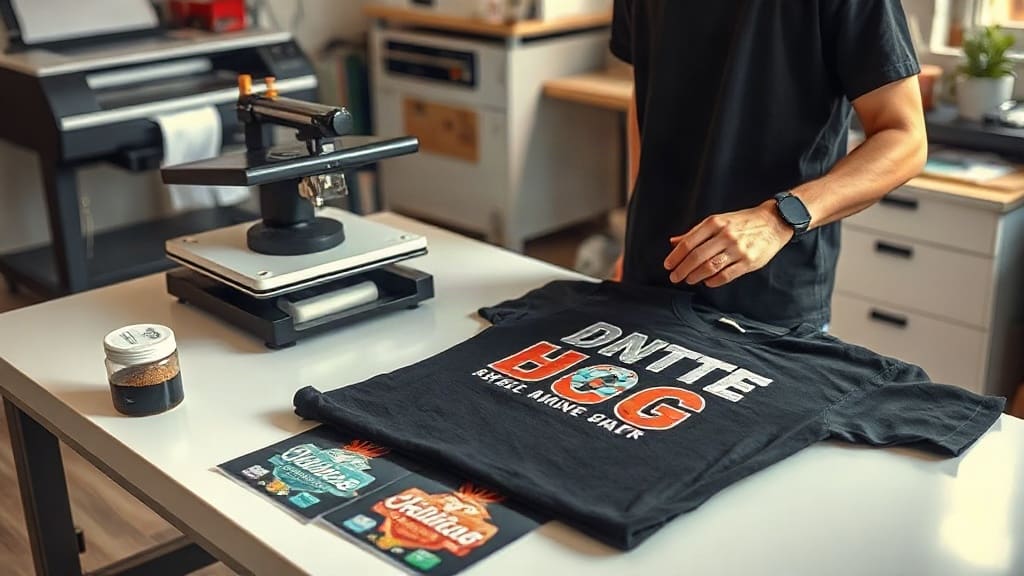
If you're in the custom apparel business or just love creating your own shirts, you've likely heard about DTF transfers. This innovative printing method has taken the industry by storm, offering a versatile and cost-effective alternative to traditional techniques. But what exactly are DTF transfers, and how do they work? In this guide, we'll dive deep into the world of DTF, covering everything from the basics to advanced tips that will help you achieve professional results.
What Are DTF Transfers?
DTF stands for Direct to Film. It's a printing process where a design is printed onto a special PET film using a DTF printer and then transferred to fabric using a heat press. Unlike other methods, DTF allows for vibrant, detailed prints on many materials, including cotton, polyester, blends, and even leather. The process involves printing with white ink as a base, then layering CMYK colors, and finally applying an adhesive powder to the film. Once the powder is cured, the film is ready to be pressed onto the garment.
Why Choose DTF Transfers?
There are several reasons why DTF transfers have become a favorite among small business owners and hobbyists alike. First, they offer exceptional versatility. You can print on demand without the need for screens or plates, which makes them perfect for short runs and custom orders. Second, the prints are durable and stretchable, maintaining their quality even after many washes. Third, DTF transfers work well on both light and dark fabrics, eliminating the need for separate processes like screen printing. Additionally, the setup cost is relatively low compared to other methods, making it accessible for startups.
DTF vs. Other Transfer Methods
To appreciate DTF transfers, it's helpful to compare them with alternatives like vinyl heat transfer and sublimation. Vinyl is limited to solid colors and requires cutting, which isn't ideal for detailed designs. Sublimation works only on polyester fabrics and white backgrounds. DTF overcomes these limitations by allowing full-color printing and application on a wide range of materials. It also produces a softer hand feel compared to vinyl, as the ink is thinner.
How to Use DTF Transfers: Step-by-Step
Using DTF transfers might seem complex, but once you get the hang of it, it's straightforward. Here's a simple guide:
- Print your design on PET film using a DTF printer. Ensure you mirror the image horizontally.
- Apply the adhesive powder evenly over the printed area while the ink is still wet.
- Cure the powder in an oven or with a heat gun at the recommended temperature to bind the powder.
- Pre-press your garment for a few seconds to remove moisture and wrinkles.
- Place the film on the garment with the printed side facing down.
- Press with a heat press at around 300°F (150°C) for 15-20 seconds with medium pressure.
- Peel the film while it's still hot (hot peel) for most applications.
- Let it cool, and your shirt is ready!
It's essential to follow the manufacturer's instructions for your specific film and powder to achieve the best results.
Tips for Perfect DTF Transfers
Getting professional-looking DTF transfers requires some practice. Here are tips that have worked for me:
- Use high-resolution designs to avoid pixelation.
- Keep your printer well-maintained to prevent nozzle clogs.
- Test the press temperature and time on a scrap fabric first.
- Apply consistent pressure across the heat press.
- After peeling, use a kraft paper over the print and press again for better adhesion.
- Wash garments inside out in cold water to extend the print's life.
Common Mistakes to Avoid
Even experienced users can make errors. Here are a few pitfalls to steer clear of:
- Skipping the pre-press step, which can lead to poor adhesion.
- Using the wrong powder amount, causing spots or rough texture.
- Not curing the powder enough, resulting in cracking.
- Peeling the film too early or too late; timing is crucial.
- Overstretching the fabric during pressing, which distorts the print.
What Fabrics Work Best?
DTF transfers are incredibly flexible, but they perform best on cotton and cotton blends. They also do well on polyester, especially if you use a lower press temperature to avoid melting the fabric. For performance wear, make sure the material is suitable for the transfer's durability. Some users report excellent results on denim and canvas, but always test first.
Cost and Equipment Considerations
If you're thinking about starting with DTF, you'll need a DTF printer (often an EPSON model converted), PET film, adhesive powder, and a heat press. The initial investment can be between $1,000 and $5,000, depending on the printer size and quality. However, the running costs are relatively low, especially if you're producing small batches. Compare that to screen printing, which requires costly screens for each design, making DTF transfers a budget-friendly option for on-demand printing.
Frequently Asked Questions
How long do DTF transfers last?
With proper care, DTF prints can last for many washes. The durability depends on the quality of the materials and the pressing process. Typically, they withstand over 50 washes without significant fading or cracking if you use high-quality film and powder.
Can I use DTF transfers on dark shirts?
Yes, that's one of the biggest advantages. The white ink base ensures that colors remain vibrant on dark fabrics. Unlike sublimation, which only works on light colors, DTF is perfect for black or navy shirts.
Do I need a special printer for DTF?
Yes, you need a printer that can handle DTF inks and white ink circulation. Many people convert EPSON EcoTank printers, but you can also purchase dedicated DTF printers. It's crucial to have a printer with a bulk ink system and a way to keep the white ink from settling.
What is the difference between DTF and DTG?
DTG (Direct to Garment) prints directly onto the fabric using an inkjet printer. DTF prints onto a film first and then transfers. DTF often offers better color vibrancy on dark fabrics and is more efficient for small orders, while DTG is excellent for very detailed designs on light garments.
Can I reuse DTF film?
No, each transfer requires a fresh piece of film. The adhesive powder and ink are permanently fused to the film during the process, so reusing isn't possible. However, you can print multiple transfers on a single sheet if your design fits.
Final Thoughts
DTF transfers are a game-changer in the custom printing world. They offer a perfect balance of quality, versatility, and cost-effectiveness. Whether you're running a business or making personalized gifts, mastering DTF technology can open up endless possibilities. Remember to start with quality materials, practice your technique, and don't be afraid to experiment. With time, you'll produce amazing prints that stand out. Happy printing!