
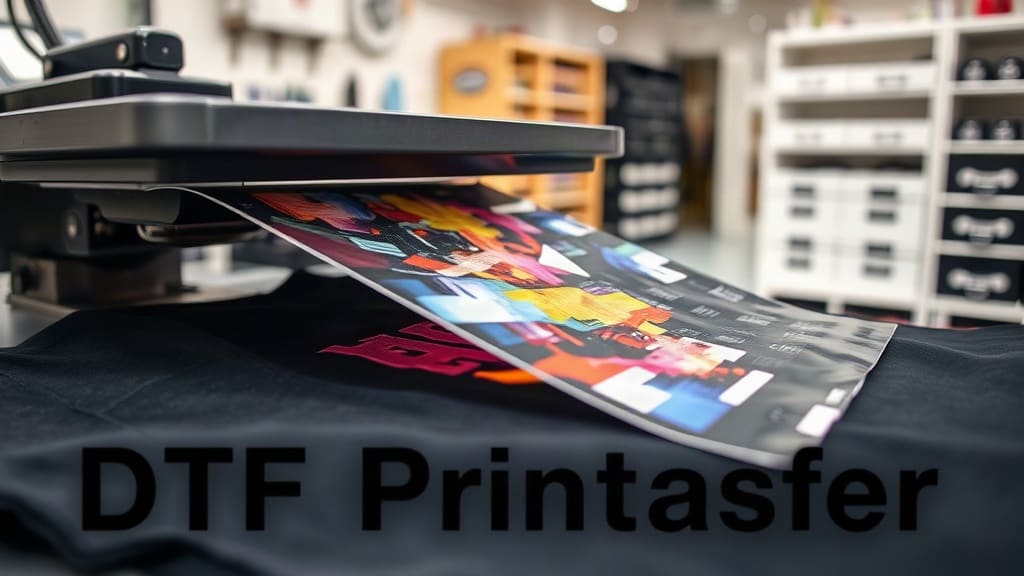
DTF transfers have revolutionized the custom printing industry. If you're looking for a versatile, cost-effective way to produce high-quality prints on various fabrics, this guide is for you. Whether you're a small business owner or a crafting enthusiast, understanding DTF technology can open up new possibilities for your projects.
What Are DTF Transfers?
DTF stands for Direct to Film. It's a printing method where a design is printed onto a special film, coated with adhesive powder, and then heat-pressed onto a garment. Unlike traditional screen printing or heat transfer vinyl, DTF transfers allow for vibrant, detailed prints with soft hand feel and excellent durability.
The process is straightforward: you print your artwork onto a PET film using a DTF printer, apply hot melt adhesive powder, cure it, and then transfer it to your fabric using a heat press. The result is a vivid, stretchy, and wash-resistant print that adheres well to cotton, polyester, blends, and even hard surfaces like ceramics and wood.
Why Choose DTF Transfers?
There are several reasons why DTF transfers have become popular among printers and businesses. First, they are incredibly versatile. You can print on a wide range of materials, including dark and light colored fabrics, without requiring pre-treatment. This eliminates the need for separate processes like screen printing screens or sublimation coatings.
Second, DTF is cost-effective for small to medium runs. Unlike screen printing, which has high setup costs, DTF has minimal upfront investment. You can print as many or as few transfers as you need, making it ideal for custom orders and on-demand printing.
Third, the print quality is outstanding. DTF transfers produce sharp details and vibrant colors that rival or exceed other methods. The prints are also breathable and have a soft texture, making them comfortable to wear.
DTF Transfers vs. Other Printing Methods
DTF vs. Screen Printing
Screen printing is a traditional method that uses screens to press ink onto fabric. It's excellent for large orders because the cost per unit decreases with quantity. However, it requires significant setup, and each color needs its own screen. For small batches or designs with many colors, screen printing can be expensive and time-consuming. DTF transfers offer a quicker turnaround and are more flexible for detailed, full-color designs without extra setup costs.
DTF vs. Sublimation
Sublimation printing works by transferring dye into polyester fabrics using heat. It produces permanent, vibrant prints that don't crack or peel. However, it only works on light-colored, high-polyester materials. DTF transfers can adhere to cotton, polyester, and blends, making them more versatile. They also produce brighter results on dark garments, which is a common limitation of sublimation.
DTF vs. Heat Transfer Vinyl
Heat transfer vinyl (HTV) is popular for simple designs and lettering. It involves cutting vinyl into shapes and heat-pressing them onto fabric. HTV is great for small, single-color projects but struggles with complex, multi-colored designs. DTF transfers shine when it comes to intricate artwork, gradients, and photorealistic images. They also have a softer feel compared to vinyl, which can be stiff and plasticky.
How to Use DTF Transfers
Using DTF transfers is simple, but there are key steps to ensure a perfect outcome.
- Print your design: Ensure your artwork is high resolution and mirrored before printing onto the film. Use a DTF printer with CMYK plus white ink if you're printing on dark fabrics.
- Apply adhesive powder: Evenly coat the wet ink with hot melt adhesive powder while the print is still wet. Shake off excess powder.
- Cure the powder: Dry the film in a curing oven or use a heat press at a low temperature (around 160°C) for a short time to melt the powder and bond it to the ink.
- Pre-press your garment: For a few seconds to remove moisture and wrinkles.
- Place the transfer: Position the film on the garment, ink side down, and press with a heat press at approximately 160-170°C for 15-20 seconds with medium pressure.
- Peel the film: Wait until the film cools slightly, then peel it away to reveal your print.
For best results, always do a test press on a sample fabric to adjust time, temperature, and pressure according to your specific machine and material.
Tips for High-Quality DTF Transfers
- Use high-quality film: Not all PET films are the same. Look for films that are compatible with your printer and offer good ink adhesion.
- Optimize your ink settings: Ensure your printer uses the correct ICC profile for DTF printing to achieve accurate colors.
- Shake well: The adhesive powder should be finely ground and evenly distributed. Shake it or use a powder shaker to avoid clumps.
- Don't over-dry: When curing the powder, avoid excessive heat or time, which can cause the film to warp or the adhesive to become brittle.
- Press evenly: Make sure your heat press applies uniform pressure to avoid uneven adhesion.
Common Mistakes and How to Avoid Them
One of the most common mistakes is peeling the film too hot. If you peel immediately, the ink may not have fully bonded, resulting in a dull or cracked print. Always let the transfer cool for a few seconds before peeling.
Another mistake is using too much or too little adhesive powder. Too much powder can cause a rough texture and reduce washability; too little results in poor adhesion and peeling. Practice with scrap fabric to find the right balance.
Also, ensure your garment is clean and dry. Any lint or moisture can interfere with the transfer, causing blemishes.
Applications and Use Cases
DTF transfers are used across many industries. Small clothing brands use them to create custom t-shirts, hoodies, and hats. They're perfect for personalized gifts, sports team apparel, and promotional merchandise. Because they work on many materials, you can also print on tote bags, denim jackets, and even leather items.
For businesses, DTF offers an efficient way to handle custom orders without inventory. You can print transfers on demand and store them for later use, which is great for seasonal designs or limited edition runs.
Frequently Asked Questions
Can DTF transfers be used on any fabric?
Yes, DTF transfers work on cotton, polyester, blends, and many other fabrics. They also adhere to hard surfaces like wood and glass, though for those, you may need a special adhesive. Always test on a sample first to ensure compatibility.
How durable are DTF prints?
DTF prints are highly durable. They can withstand repeated washing (up to 50+ cycles) without cracking or fading, provided you use quality materials and follow proper pressing instructions. The prints are also flexible and stretchy, making them suitable for activewear.
Do I need a special printer for DTF transfers?
Yes, you need a DTF printer, which is essentially a modified inkjet printer that uses pigment inks and includes a white ink channel. These printers are available from various manufacturers. If you don't want to invest in a printer, you can purchase pre-printed DTF transfers from a supplier.
What is the cost of DTF transfers compared to other methods?
The cost depends on your volume. For small quantities, DTF is more cost-effective than screen printing because there's no setup fee. For large runs, screen printing may be cheaper per unit. However, DTF saves money on inventory and allows for print-on-demand, reducing waste.
How do I store unused DTF transfers?
Store them in a cool, dry place away from direct sunlight. Keep the film flat to avoid wrinkles. Properly stored transfers can last for months without losing quality.
Conclusion
DTF transfers are a game-changer in the custom printing world. They offer versatility, quality, and affordability that other methods struggle to match. Whether you're starting a clothing brand or looking to expand your printing capabilities, DTF is worth considering. With the right equipment and a bit of practice, you can produce stunning, durable prints that will impress your customers. So why wait? Dive into the world of DTF and unleash your creativity.