
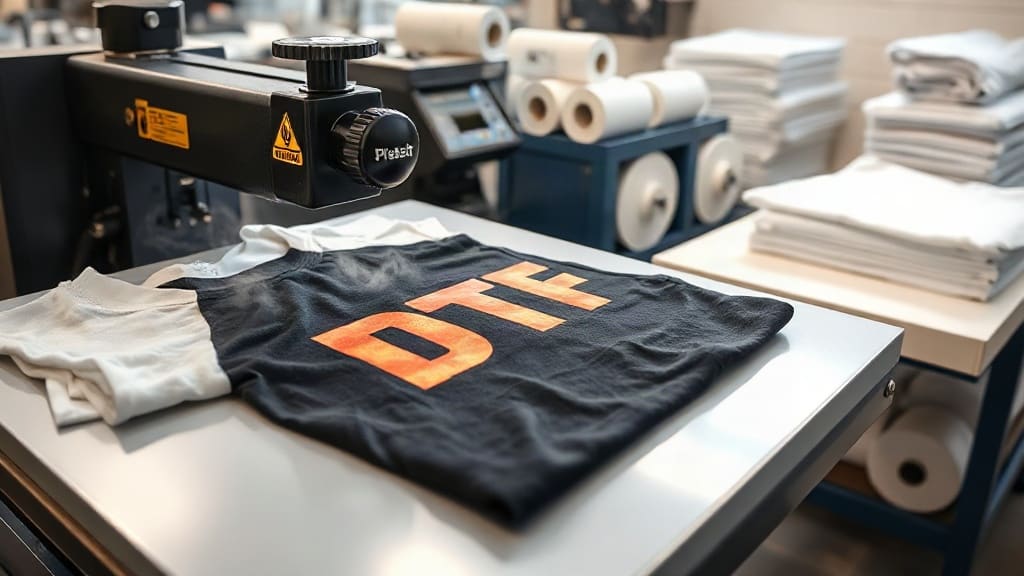
If you’re in the custom apparel world, you’ve probably heard the buzz around DTF (Direct to Film) printing. It’s everywhere, and for good reason: it works on a wide range of fabrics, delivers vibrant colors, and feels soft to the touch. But when you type “dtf transfers near me” into Google, you get a mix of local shops, online giants, and everything in between. How do you know which one is right for you? In this guide, I’ll walk you through what makes a great DTF supplier, where to look, and how to avoid the headaches that come from a bad batch of transfers.
Why DTF Transfers Are a Game Changer for Printers and Small Businesses
DTF printing has exploded because it solves so many problems that older methods like screen printing or heat transfer vinyl face. With DTF, you can print full-color designs with incredible detail, including gradients and small text, without the setup costs of screen printing. It also works on cotton, polyester, blends, and even tricky surfaces like nylon or leather. That flexibility is a huge win if you’re doing custom orders for different customers.
For a small business owner, DTF transfers offer a low-risk way to test products. You don’t need to keep a massive inventory; you can order transfers on demand and press them when an order comes in. That means less waste and better cash flow. And because the transfers are printed on a special film and then applied with powder adhesive, you get a result that feels almost like a traditional screen print but with the detail of digital printing.
What to Look for in a DTF Transfer Supplier
Not all DTF transfers are created equal. When you search for “dtf transfers near me,” you’ll find a range of prices and promises. But the cheapest option might end up costing you more in the long run if the transfers crack, peel, or fade after a few washes. Here are the key factors to evaluate.
Print Quality and Resolution
Ask for samples before you commit to a large order. A reputable supplier will be happy to send you a few test prints. Look at the vibrancy of the colors, the sharpness of the edges, and how well white ink is printed. White ink is the base for most DTF transfers, and if it’s too thin or uneven, your colors will look dull or transparent. High-quality DTF printers use industrial machines with proper white ink circulation and curing, so the results are consistent.
Adhesive Powder Quality
The adhesive powder is what makes the transfer stick to your garment. Cheap powder might not melt evenly, leading to poor adhesion or a stiff feel. Good DTF transfers use a fine, high-quality hot-melt powder that creates a strong bond without adding too much thickness. When you receive a transfer, feel the back of it. It should be smooth and not overly gritty.
Film Type and Release
DTF film comes in two types: PET and BOPP. PET is more common and works well, but BOPP is thinner and offers better detail. The release of the film is also critical. If the film doesn’t release cleanly, you’ll get stuck with a mess. A reliable supplier uses film that peels easily when hot, leaving all the ink on the fabric.
Color Matching and Consistency
If you have a brand color, you need a supplier who can match it accurately. Ask about their color management process. Do they use ICC profiles? Can they adjust the print to match a Pantone swatch? Consistency across batches is just as important. If you order the same design twice, the colors should be identical. A good supplier will have strict quality control and maybe even a color chart for reference.
Turnaround Time and Shipping
When you’re running a business, time is money. If you search for “dtf transfers near me,” you might hope for same-day pickup or fast delivery. Local suppliers can often offer quicker turnaround because you avoid long shipping times. However, sometimes an online supplier with a 24-hour rush service can be just as fast. Consider your deadlines and ask for their typical production time. Also, check if they offer shipping insurance or tracking.
Customer Support and Reviews
If something goes wrong, you want a supplier who responds quickly. Look for reviews on Google, Yelp, or social media. Pay attention to how they handle complaints. A few negative reviews aren’t a deal-breaker, but if you see a pattern of quality issues or poor communication, steer clear. A good supplier will also offer support to help you troubleshoot pressing issues like temperature or pressure settings.
Where to Find the Best DTF Transfers Near You
Now that you know what to look for, let’s talk about where to find them. The phrase “dtf transfers near me” is a starting point, but you have to dig deeper. Here are some practical ways to locate a trusted local provider.
Ask Local Print Shops
If you have a local screen printing shop or embroidery business, they might offer DTF services or know someone who does. They often have the equipment and expertise. Even if they don’t offer DTF, they can recommend a supplier they trust.
Join Local Business Groups on Social Media
Facebook groups for local entrepreneurs or small business owners are goldmines for recommendations. Post a question like, “Anyone know a reliable DTF transfer printer in [your city]?” You’ll get real experiences from people who have used the service. Just be sure to verify their claims by checking the provider yourself.
Check Trade Directories and Forums
Websites like Printful or Printify list print providers, but those are usually for dropshipping. Instead, look for regional print directories or forums like T-Shirt Forums. You can search for threads about DTF in your area or start a new one asking for referrals.
Visit a Local Print Expo or Networking Event
Many cities have trade shows for the apparel industry. These events are perfect for meeting suppliers face-to-face, seeing their equipment, and asking about their process. You can also collect samples and compare them side-by-side.
Questions to Ask Before You Place an Order
Once you have a shortlist of potential DTF transfers providers, call or visit them with a list of questions. Here’s what I recommend asking:
- What is your minimum order quantity? (Some shops have no minimum, which is great for testing.)
- Can you print white underbase or high-density white for dark garments?
- What is your typical turnaround time? Do you offer rush service?
- Do you provide a proof before printing?
- What is your policy on defective transfers? Will you replace them?
- How do you package the transfers to prevent damage in transit?
These questions will help you gauge their professionalism and whether they’re a good fit for your needs.
How to Test a DTF Transfer Before Committing
Even if a supplier seems great, you should always test their product before making a big purchase. Order a small sample of a design you plan to use. Then, apply it to a garment exactly as you would for a customer. Follow the recommended temperature, pressure, and time settings. After pressing, check the adhesion by pulling on the edge. Then wash the garment a few times to see if there’s any cracking or peeling. This test will save you from a costly mistake.
Common Mistakes to Avoid When Buying DTF Transfers
I’ve seen too many people get burned by choosing the first cheap option they find. Here are some pitfalls to watch out for.
Ignoring the Garment Type
DTF works on many fabrics, but not all transfers are made equal. Some are optimized for cotton, others for blends. If you press a transfer meant for cotton onto a high-polyester fabric, it might not adhere properly. Ask your supplier for recommendations based on the garments you’ll be using.
Skipping a Test Print
Never assume that a design will look good just because the supplier says so. Always ask for a proof or a physical sample. Colors can look different on screen, and you want to see the actual print quality.
Not Checking the Return Policy
What happens if you receive a batch that has defects? A trustworthy supplier will have a clear return policy. Make sure you understand it before you pay. If they don’t offer any guarantees, that’s a red flag.
Overlooking the Price per Transfer
While you don’t want to go with the cheapest option, you also don’t want to overpay. Compare prices from different suppliers, but factor in quality, shipping, and customer service. Sometimes paying a few cents more per transfer is worth it for peace of mind.
Why Local Might Be Better for Your DTF Needs
When you search for “dtf transfers near me,” you might wonder if a local supplier is really better than an online one. Here are some advantages of going local:
- You can visit the facility and see the equipment first-hand.
- You can pick up orders if you’re in a hurry, saving shipping time.
- You can build a personal relationship, which might lead to better pricing or priority service.
- If there’s an issue, you can resolve it face-to-face.
But local doesn’t always mean better. Some online suppliers have invested in top-of-the-line equipment and offer unbeatable quality. The key is to evaluate each option based on the criteria we discussed.
How to Press DTF Transfers Like a Pro
Once you get your DTF transfers, you need to know how to apply them correctly. Here’s a quick guide to ensure a perfect press every time.
Materials You’ll Need
You’ll need a heat press (not an iron, for best results), a Teflon sheet or parchment paper, and the transfer itself. Some people use a heat tape to hold the transfer in place, but usually the adhesive powder is enough.
Step-by-Step Pressing
- Preheat your heat press to around 320°F (160°C) for polyester or 350°F (175°C) for cotton. Check your supplier’s recommendation.
- Place the garment on the press and pre-press it for a few seconds to remove wrinkles and moisture.
- Position the transfer with the film side up (the printed side should be facing up on the garment).
- Cover with a Teflon sheet.
- Press with medium to firm pressure for 10-15 seconds.
- While the transfer is still hot, peel the film off. Some prefer warm peel, others cold. Follow the supplier’s instructions.
- If you want extra durability, you can do a second press with a cover sheet for a few seconds.
Tips for a Flawless Finish
- Always use a heat press, not a home iron, because the pressure is inconsistent.
- Don’t use steam; dry press is best.
- Test on a scrap garment first to dial in your settings.
- Allow the transfer to cool before stacking garments to avoid sticking.
Taking Your DTF Business to the Next Level
Finding the right DTF transfers supplier is just the beginning. Once you have a reliable source, you can focus on growing your business. Consider offering custom DTF designs to your customers, or even selling DTF transfers as a product itself. Many print shops now offer DTF services to other small businesses, which can be a lucrative revenue stream.
If you’re thinking about investing in your own DTF printer, that’s a whole different journey. But for many, using a local supplier is the smartest move because it requires no upfront investment in equipment and lets you focus on your core business.
Frequently Asked Questions
What is the difference between DTF and DTG printing?
DTG (Direct to Garment) prints directly onto the fabric using inkjet technology, similar to a large printer. DTF (Direct to Film) prints onto a film, which is then transferred to the fabric with heat. DTF is often more versatile because it works on a wider range of fabrics and doesn’t require pre-treatment for cotton.
Can I buy DTF transfers in bulk to save money?
Yes, many suppliers offer tiered pricing based on quantity. Buying in bulk can significantly reduce the cost per transfer. Just make sure you have enough storage space and that the designs are likely to remain in demand.
How long do DTF transfers last on garments?
With proper application and care, DTF transfers can last for many washes. The adhesive and ink are durable, but the lifespan depends on factors like wash temperature, drying method, and the quality of the transfer. Always follow the care instructions from your supplier, which typically recommend washing inside out in cold water and tumble drying on low.
Can I use DTF transfers on dark-colored shirts?
Absolutely. DTF is known for its excellent opacity on dark fabrics. The white underbase ensures that colors pop without needing a dark garment print service. Just make sure the supplier prints a sufficient white layer.
How do I find a reliable DTF printer if I don’t have local options?
If you can’t find a local supplier, look for online companies that specialize in DTF. Check their reviews, request samples, and start with a small test order. You can also ask for referrals from online communities or forums.
Final Thoughts
Finding a trusted source for DTF transfers is essential for your business’s success. By focusing on quality, communication, and testing, you can locate a partner that meets your needs and helps you deliver amazing products to your customers. So the next time you search “dtf transfers near me,” you’ll know exactly what to look for and how to make the right choice. Happy printing!