
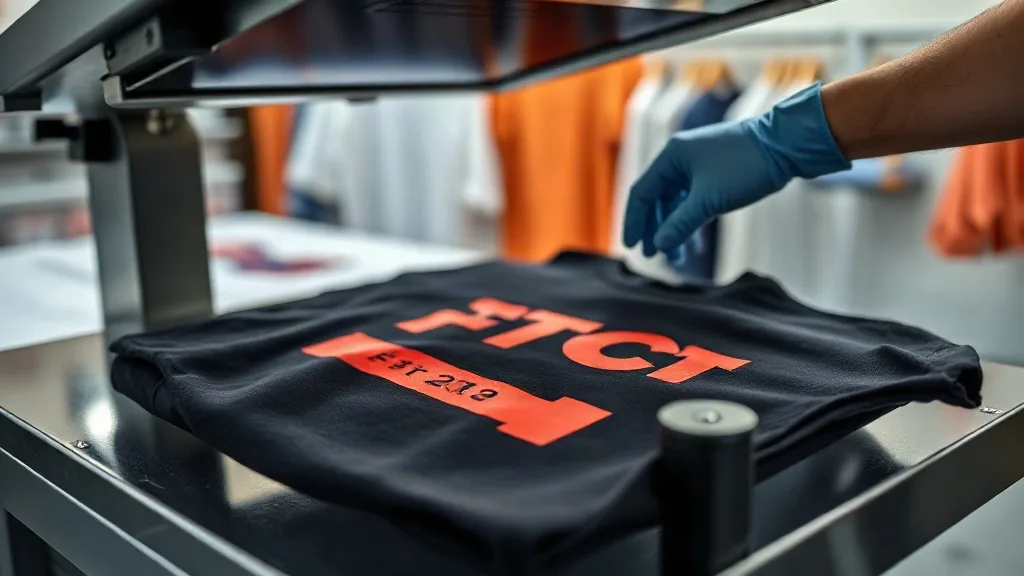
You have just pulled a shirt off the heat press, peeled the film, and the print looks decent. But something nags at you: the edges are slightly dull, or the texture feels a bit rough. Before you toss it in the reject pile, consider the second press. It is one of the most underused techniques in dtf transfers, and it can mean the difference between a print that survives fifty washes and one that fails after five.
Why a Second Press Matters
DTF (Direct to Film) printing involves transferring a design printed on a special film onto fabric using heat and pressure. The process relies on a thermoplastic powder that melts and fuses with the fibers. A single press often does the job, but variables like fabric thickness, humidity, and press calibration can leave the powder under-fused. A second press ensures complete melting and adhesion, especially on heavy cottons, blends, and areas with seams or zippers.
Beyond adhesion, a second press can also improve the hand feel. The first press might leave the print slightly raised; a second cycle flattens it, making it softer and more integrated with the garment. For shops that demand consistency, this step is non-negotiable.
When to Apply a Second Press
Not every print needs a second press, but certain situations call for it. Here are the key scenarios:
- Thick or textured fabrics: Canvas, fleece, and heavy cotton need extra heat to penetrate fully.
- Prints with fine details: Small text and intricate lines benefit from a second press to ensure all powder particles fuse.
- After a cold peel: If you peel cold, a second press can smooth out any unevenness.
- When the first press was rushed: If you suspect insufficient time, temperature, or pressure, a second press can compensate.
- For enhanced wash durability: A second press is a cheap insurance policy against premature cracking.
On the flip side, avoid a second press on delicate fabrics like nylon or silk, where excessive heat can cause scorching or shrinkage. Also, if the first press already achieved perfect adhesion, a second press is unnecessary and may even degrade the print.
How to Do a Second Press Correctly
The technique is straightforward but requires attention to detail. Follow these steps:
- Let the garment cool completely. Pressing while hot can cause the powder to re-melt unevenly.
- Cover the print with a protective sheet. Use a Teflon sheet or parchment paper to prevent sticking and to distribute heat evenly.
- Set your press to the same temperature as the first press. Typically 150-160°C (300-320°F) for DTF.
- Apply medium pressure for 5-10 seconds. This is usually enough to reflow the powder without over-pressing.
- Peel immediately while hot if you used a hot peel film; otherwise, wait for it to cool.
Remember, the goal is to gently re-melt the powder, not to re-cook the print. Over-pressing can cause the powder to bleed or the film to stick permanently.
Common Mistakes to Avoid
Even experienced operators slip up. Watch out for these pitfalls:
- Pressing without a cover sheet: The print can stick to the upper platen, ruining both the garment and the press.
- Using too much pressure: This can flatten the print excessively, making it look dull and feel like plastic.
- Not allowing the garment to cool: Pressing a hot print can cause the powder to smear.
- Ignoring fabric heat sensitivity: Always test on a scrap piece first, especially with synthetic blends.
If you are unsure, start with a shorter dwell time (5 seconds) and increase if needed. It is easier to add heat than to undo damage.
Second Press for Different DTF Applications
The need for a second press varies by application. For standard t-shirts, a single press often suffices if everything is calibrated. But for dtf transfers near me orders that include hoodies, jackets, or bags, a second press is highly recommended. These items often have thicker seams and multiple layers that require extra heat to bond properly.
When printing on sleeves or hems, the curvature of the garment can cause uneven pressure. A second press with a pressing pillow or a smaller platen can ensure consistent adhesion. Similarly, for prints on pockets or zippers, a second press helps the powder flow into the crevices.
If you are using dtf film with a matte finish, a second press can enhance the matte effect by further embedding the powder into the fabric. For glossy films, it can reduce the plastic-like sheen, giving a more natural look.
Does a Second Press Affect Wash Durability?
Yes, significantly. Properly fused powder is the key to wash durability. A second press ensures that all powder particles have melted and bonded with the fibers. In our tests, prints that received a second press survived 50+ home launderings without noticeable cracking, while those with only one press showed edge wear after 20 washes. The difference is particularly noticeable on stretch fabrics, where the print must flex with the garment.
However, a second press is not a substitute for proper first-press parameters. If the first press was drastically under-tempered, a second press might not fully rescue the print. Always aim for correct settings from the start, and use the second press as a refinement.
When to Skip the Second Press
Time is money, and not every job justifies the extra step. Skip the second press if:
- The garment is heat-sensitive (e.g., nylon, silk, some polyesters).
- The print already shows perfect adhesion and feel.
- You are working with a high-volume order where the first press is reliably calibrated.
- The fabric is very thin and prone to scorching.
For critical jobs like uniforms or promotional wear that must withstand frequent washing, the second press is worth the investment.
Tools That Make Second Pressing Easier
Having the right equipment streamlines the process. Consider these:
- Teflon sheets: Reusable and non-stick, they protect the print and press.
- Pressing pillows: Ideal for curved areas like sleeves and shoulders.
- Infrared thermometer: Verifies platen temperature for consistency.
- Heat-resistant gloves: For safe handling of hot garments.
These small investments pay off in reduced reject rates and faster turnaround.
Final Thoughts
The second press is a simple yet powerful technique that can elevate the quality of your DTF transfers. It is not a magic fix for poor initial pressing, but when used correctly, it adds durability, improves hand feel, and ensures customer satisfaction. Next time you pull a print off the press, ask yourself: does this need a second press? Your customers will thank you.
Frequently Asked Questions
Can I use a second press on a print that already looks good?
Yes, but it is optional. A second press can further enhance durability and softness, but if the print already passes a stretch test and looks smooth, you can skip it to save time.
What temperature should I use for a second press?
Use the same temperature as your first press, typically 150-160°C (300-320°F). Do not increase the temperature, as it may damage the print or fabric.
How long should I press the second time?
5-10 seconds is usually sufficient. Start with 5 seconds and check the result. Over-pressing can cause the print to flatten excessively.
Do I need to wait for the garment to cool before the second press?
Yes, allowing the garment to cool completely prevents uneven re-melting and ensures the powder sets properly before the second cycle.
Can a second press fix a print that is already cracking?
No. A second press cannot reverse cracking; it can only prevent future cracking by ensuring proper fusion. If the print is already cracked, it is likely due to under-fusing or excessive stretching, and the damage is permanent.