
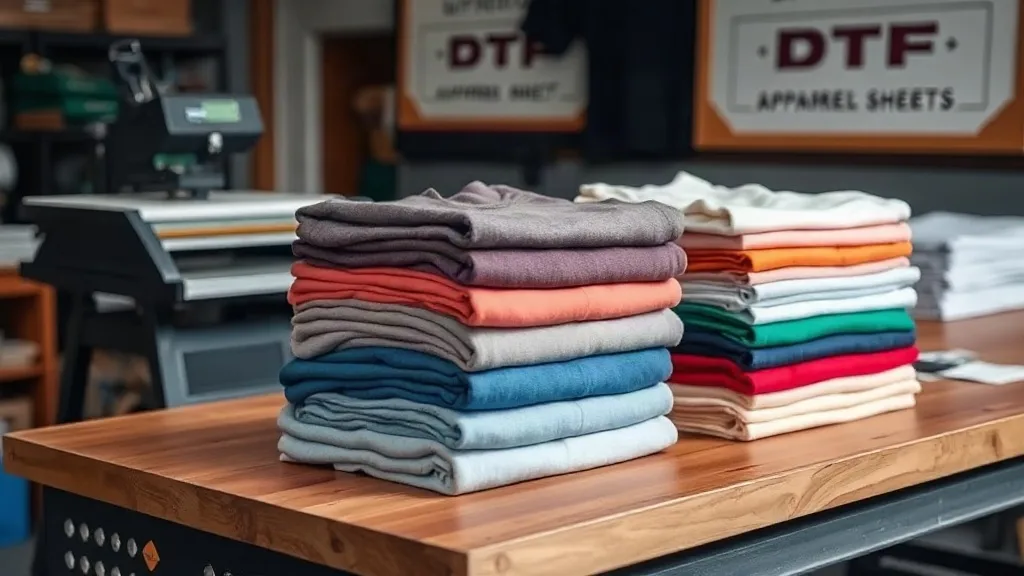
In the competitive world of custom apparel, print shops constantly seek ways to balance quality, cost, and efficiency. shaka wear blanks have emerged as a popular choice for DTF printing, offering a cost-effective solution without compromising on results. Whether you're a seasoned printer or just starting out, understanding how to leverage Shaka Wear blanks can significantly impact your bottom line. In this article, we'll explore why these blanks are a smart choice for budget-conscious shops and provide actionable tips to optimize your DTF printing process.
Why Shaka Wear Blanks Are a Smart Choice for DTF Printing
Shaka Wear is renowned for its affordable, high-quality blank apparel, particularly its t-shirts. Made from 100% cotton or cotton-poly blends, these blanks provide a smooth surface that adheres well to DTF transfers. The tight knit construction minimizes fiber shedding, which is crucial for DTF printing because loose fibers can interfere with the transfer and cause premature peeling. Additionally, Shaka Wear offers a wide range of colors and sizes, making it easy to find the perfect match for any project.
Another key advantage is consistency. Shaka Wear maintains strict quality control, so each batch of blanks you order will have the same weight, feel, and color. This reliability reduces waste and ensures that your prints look consistent across multiple orders. For shops that handle large volume jobs, this predictability is invaluable.
Cost-Effectiveness Without Compromise
One of the biggest draws of Shaka Wear blanks is their affordability. In an industry where margins can be tight, saving a few dollars per shirt can add up quickly. Shaka Wear achieves this through efficient manufacturing and bulk distribution, passing the savings on to you. But low cost doesn't mean low quality; these blanks are durable and hold up well after multiple washes, which keeps your customers happy and reduces returns.
When you pair Shaka Wear blanks with efficient DTF printing techniques, you can offer competitive pricing without sacrificing profitability. For example, using a DTF Gangsheet Builder allows you to maximize your transfer sheet usage, reducing waste and cutting down on material costs. This combination of affordable blanks and smart printing practices is a winning formula for budget-conscious shops.
Maximizing Your DTF Printing Efficiency with Shaka Wear
To get the most out of your Shaka Wear blanks, it's essential to optimize your DTF printing workflow. Here are some practical tips:
- Pre-press preparation: Always pre-press the garment for a few seconds to remove moisture and wrinkles. This step ensures better adhesion and prevents the transfer from lifting.
- Proper heat press settings: Follow the recommended temperature and pressure settings for DTF transfers on cotton and blends. Typically, 325°F for 10-15 seconds with medium pressure works well, but always test with your specific equipment.
- Use a gangsheet builder: Tools like the DTF Gangsheet Builder help you arrange multiple designs on a single sheet, saving film and ink. This is especially beneficial when printing on Shaka Wear blanks, as you can produce more shirts per batch.
- Quality control: After pressing, inspect each shirt for any issues like incomplete transfer or bubbling. Catching problems early saves time and resources.
By implementing these steps, you'll reduce errors and increase throughput, making your Shaka Wear blanks even more cost-effective.
Choosing the Right Shaka Wear Styles for DTF
Shaka Wear offers various styles, from classic crew necks to trendy oversized tees. For DTF printing, consider the fabric blend and weight. 100% cotton blanks provide excellent ink absorption and a soft hand feel, while cotton-poly blends offer durability and wrinkle resistance. Heavier weights (like 5.5 oz and up) are great for hoodies and long sleeves, while lighter weights (4.2 oz) are ideal for summer tees. Matching the blank to the design's purpose ensures the best results.
Also, pay attention to the color of the blank. DTF transfers can be printed on any color, but a white underbase is necessary for dark garments to make colors pop. Shaka Wear's wide color range, including popular shades like black, navy, and heather grey, gives you flexibility to meet customer demands.
Boosting Profits with Shaka Wear and Smart DTF Practices
Profitability in custom apparel hinges on reducing costs and increasing efficiency. Shaka Wear blanks help on the cost side, but you can further boost profits by adopting smart DTF practices. For instance, using a DTF Gangsheet Builder to nest designs reduces film waste by up to 30%, according to internal tests. Additionally, offering upselling options like custom neck labels or sleeve prints on Shaka Wear blanks can increase order value without significantly increasing production time.
Another strategy is to standardize on a few Shaka Wear styles that work well for DTF. By keeping popular colors and sizes in stock, you can fulfill orders quickly and reduce lead times. This reliability builds customer trust and encourages repeat business. Remember, happy customers are more likely to return and refer others, which is the best kind of marketing.
Common Challenges and Solutions
Even with the best blanks, DTF printing can present challenges. Here are some common issues and how to address them when working with Shaka Wear:
- Transfer not adhering: Ensure the garment is properly pre-pressed and the transfer is applied with sufficient pressure. Check that the transfer is cool before peeling if using a cold peel film.
- Color fading after washing: Use high-quality DTF ink and follow wash care instructions. Recommend washing inside out in cold water and tumble drying low.
- Print cracking: This often occurs if the transfer is stretched during application. Allow the garment to cool completely before stretching or wearing.
By anticipating these issues and training your team, you can minimize downtime and keep production running smoothly.
Frequently Asked Questions
Are Shaka Wear blanks suitable for DTF printing?
Yes, Shaka Wear blanks are well-suited for DTF printing due to their smooth, tight-knit fabric that promotes good adhesion. Both 100% cotton and cotton-poly blends work well, but always test with your specific equipment and transfers.
How can I reduce DTF printing costs with Shaka Wear blanks?
Besides the low cost of the blanks themselves, use a gangsheet builder to maximize transfer sheet usage, buy DTF supplies in bulk, and standardize on a few popular styles to reduce waste and inventory costs.
What is the best Shaka Wear style for DTF printing?
The best style depends on your design and customer preference. The classic crew neck tee is versatile, while oversized tees are trendy. Consider fabric weight and blend: 100% cotton for softness, blends for durability.
How do I ensure DTF prints last on Shaka Wear blanks?
Follow proper application settings, pre-press the garment, and use quality DTF transfers. Advise customers to wash inside out in cold water and avoid ironing directly on the print.
Can I use Shaka Wear blanks for large orders?
Absolutely. Shaka Wear's consistent quality and availability make them ideal for large orders. Combine with efficient DTF workflows to handle volume without compromising on quality.